
Electrical boundary
7 min read
Can a 120V welder run on a normal outlet?
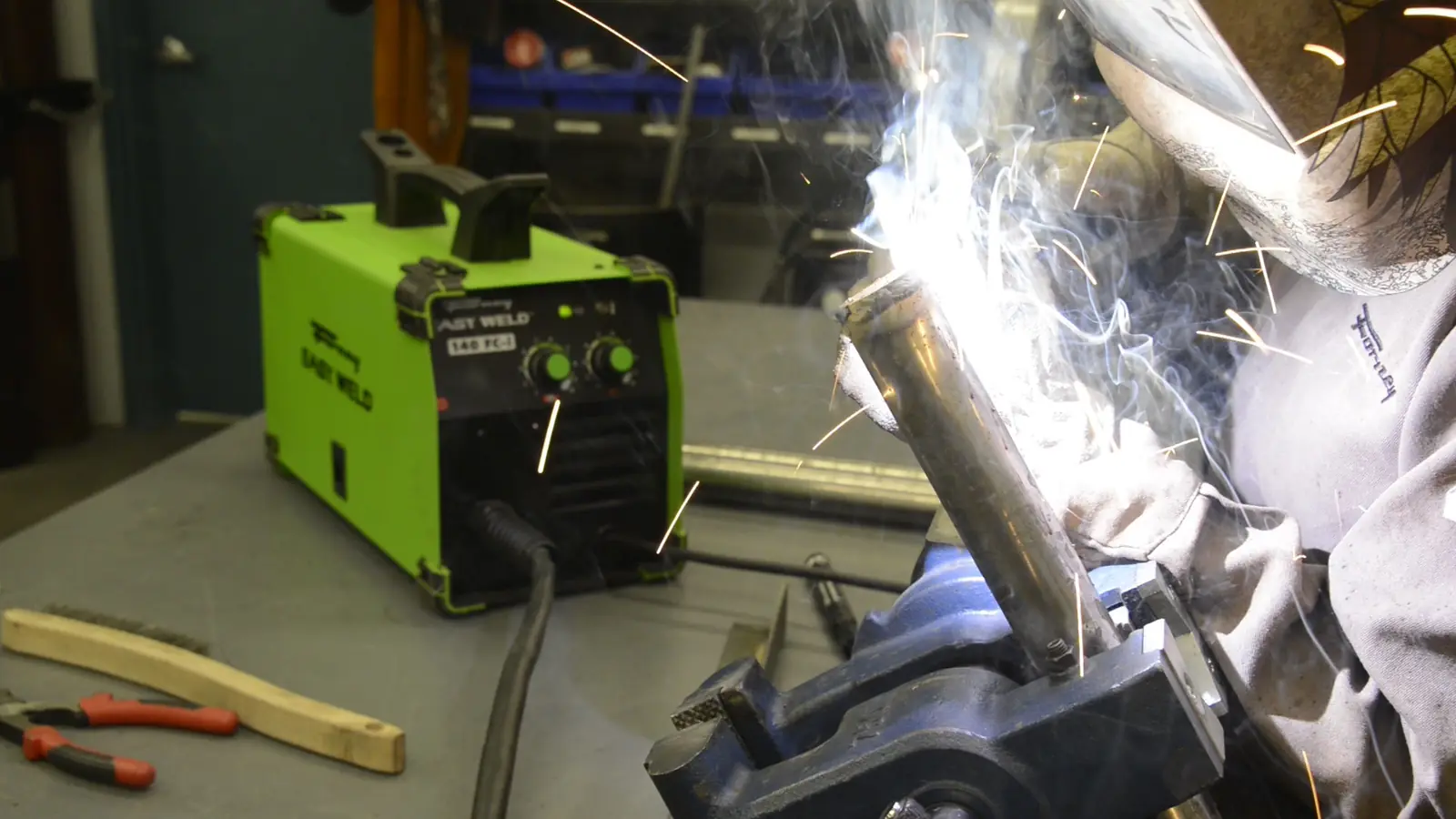
A 120V welder can run on household power, but the outlet shape does not prove the breaker, wiring or shared load can support it.
Read the guideCircuit limits, ventilation and setup without hand-wavy reassurance.
Welding safety begins before the torch is picked up. The electrical supply, grounding path, ventilation, fire exposure and personal protective equipment must all be considered together. First Bead explains what a manual and a qualified electrician need to know, why inlet current differs from welding output, and why an open garage door is not a complete ventilation strategy by itself. We avoid wiring instructions and treat household circuit changes as licensed work. The aim is not to make welding sound risk-free; it is to make the boundaries clear enough that a beginner can ask better questions and avoid copying unsafe shortcuts from social media.
The library
9 articles in this section.
A 120V welder can run on household power, but the outlet shape does not prove the breaker, wiring or shared load can support it.
Read the guide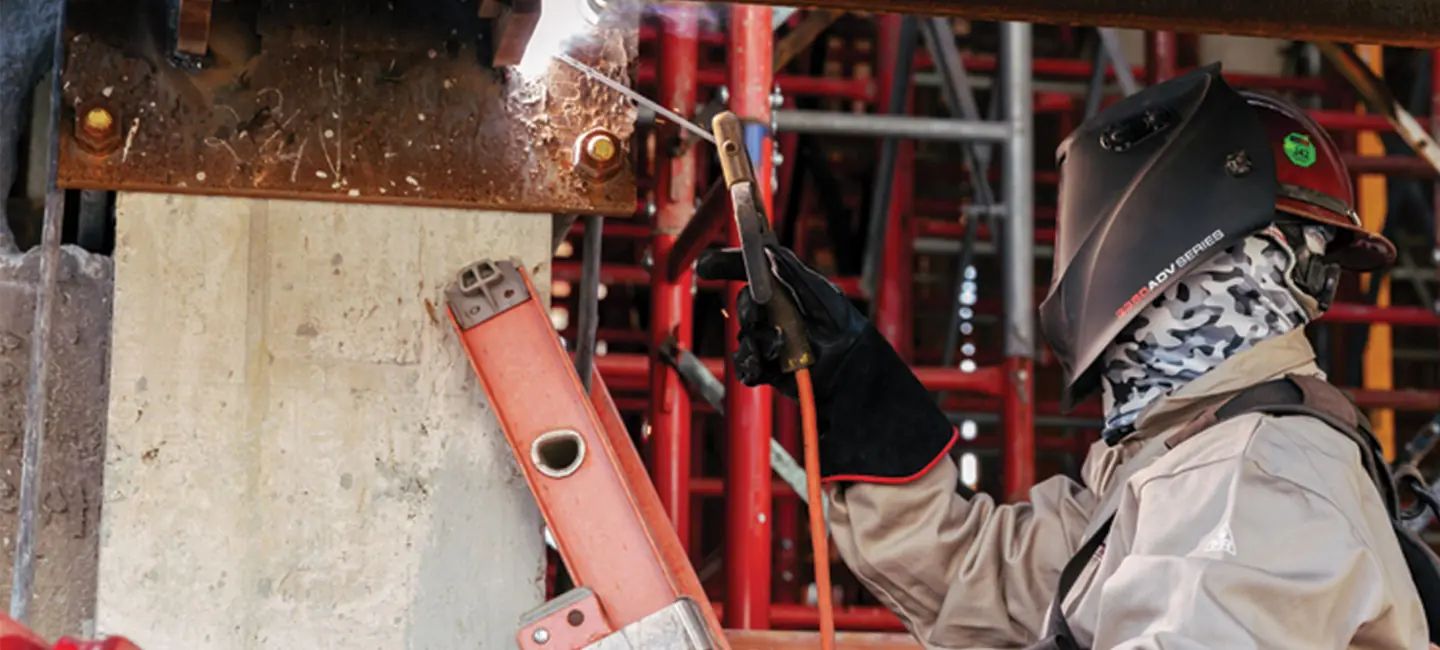

Welding in a closed garage creates serious fume and gas hazards; plan opening, exhaust, respiratory protection and fire control.
Read the guide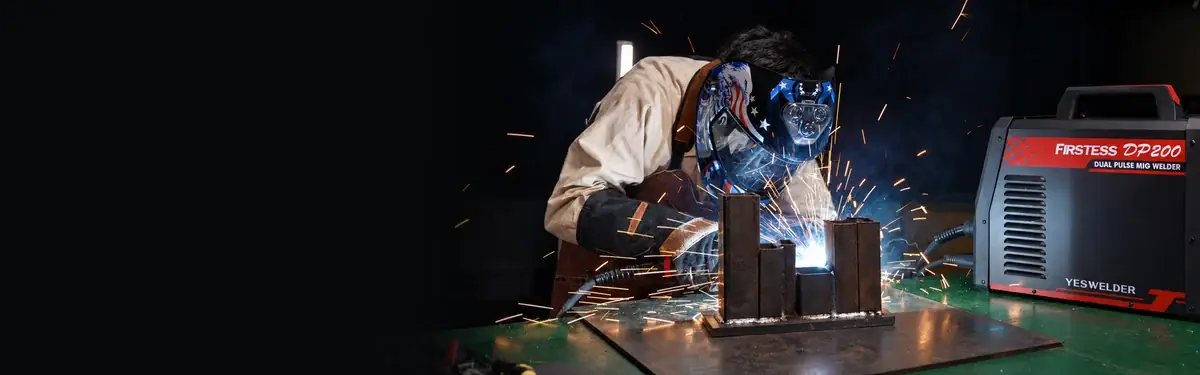

Learn why duty cycle must include an amperage, how the ten-minute window works and how voltage changes the practical limit.
Read the guide
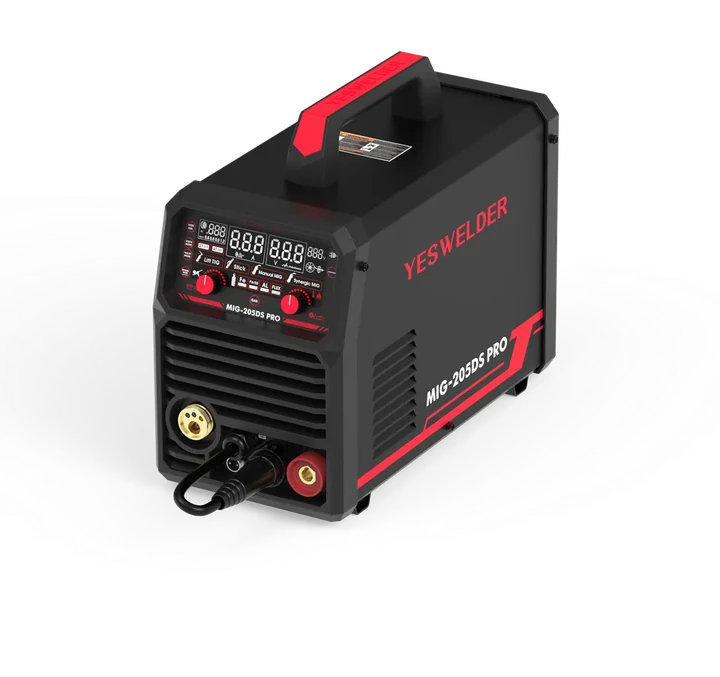
A circuit-first setup and safety checklist for the YesWelder MIG-205DS Pro, including dual voltage, gas, spool gun and ventilation.
Read the guide
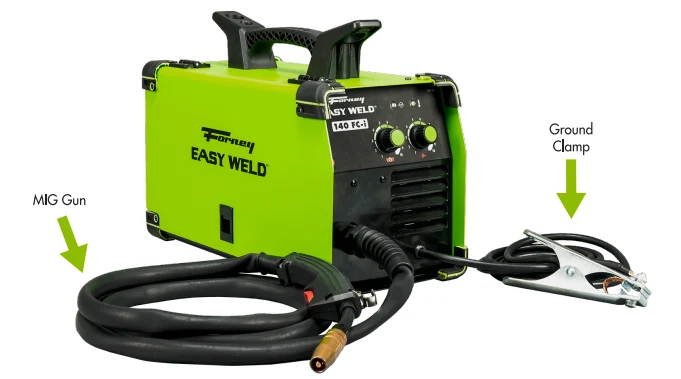
A practical 120V circuit, flux-core fume and fire-safety checklist for the Forney Easy Weld 140 FC-i.
Read the guide

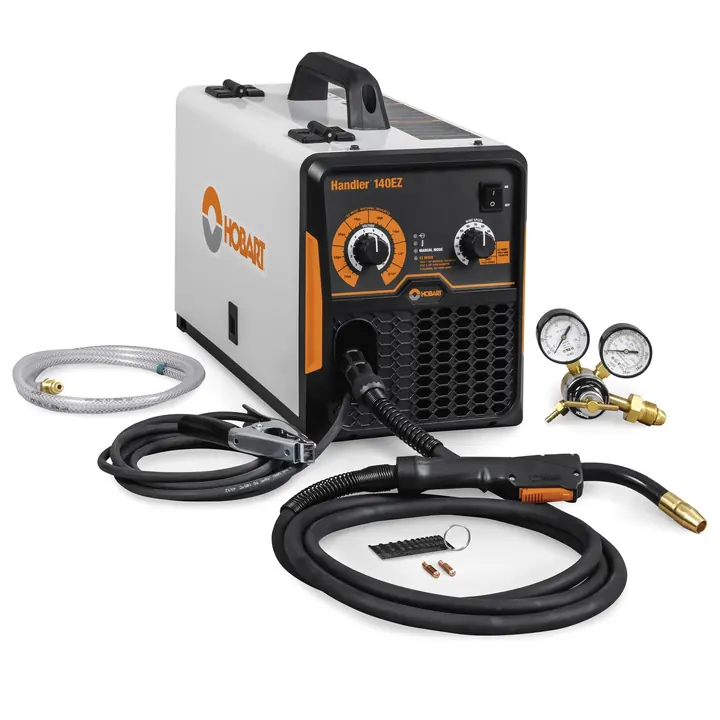
A 120V-circuit, gas, spool-gun, fume and lifting checklist for the Hobart Handler 140EZ garage MIG welder.
Read the guide
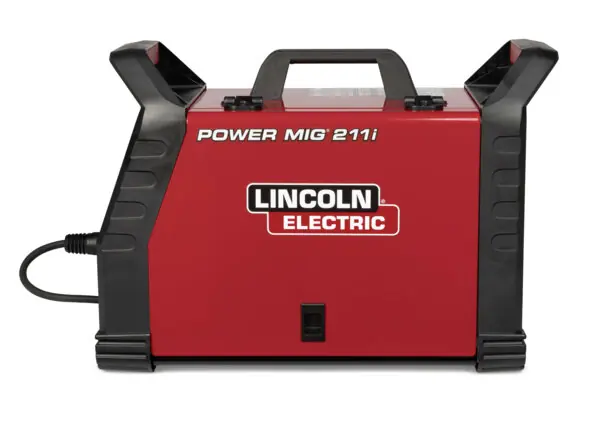
A dual-voltage circuit, gas, spool-gun and process-safety checklist for the Lincoln POWER MIG 211i.
Read the guide

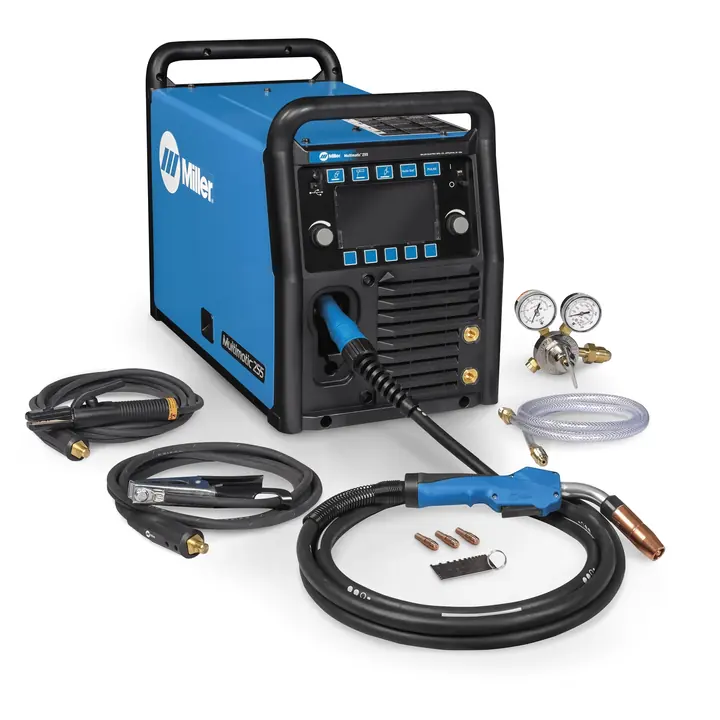
A professional high-voltage, lifting, fume and multi-process safety checklist for the Miller Multimatic 255.
Read the guide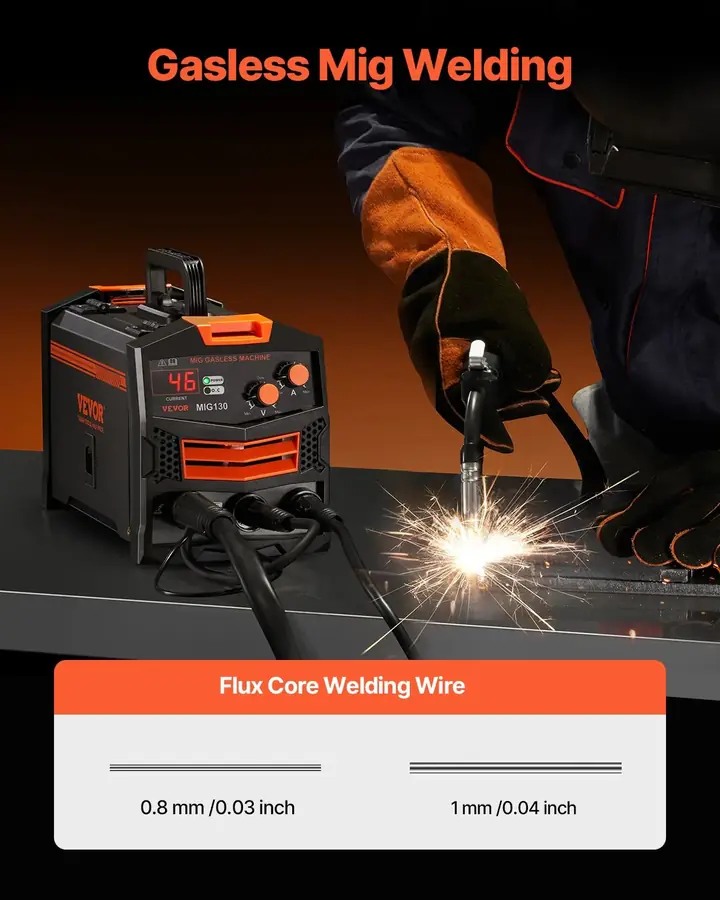

A dual-voltage, process, ventilation and documentation checklist for the VEVOR 160A 4-in-1 welder.
Read the guideStraight answers
Welding in a closed garage can expose you and nearby people to harmful metal fumes, carbon monoxide, nitrogen oxides and ozone. Open the door, move fumes away from the breathing zone and use suitable local exhaust. Do not weld in a confined space without an adequate ventilation and respiratory plan. Seek fresh air and medical help if anyone develops symptoms.
Follow the exact model manual. Many homeowner machines specify a dedicated 20A branch circuit, and some manuals recommend a larger breaker for maximum settings. The familiar outlet shape alone does not reveal the breaker size, wiring or shared load. Have a licensed electrician verify the circuit.
It may support only lower output settings on some machines and may trip at higher settings, especially when other loads share the circuit. A 15A circuit is not a universal substitute for the manufacturer's stated supply requirement. Check the manual and have the circuit inspected before relying on it.
Use a suitable welding helmet with proper arc protection, flame-resistant gloves, protective clothing that covers exposed skin, and appropriate footwear. Protect nearby people from arc light and sparks. Add fume controls, fire prevention and hearing or grinding protection according to the task.
Use one only when the manual permits it and use the specified conductor size and length. A long, thin cord can cause voltage drop and poor welding performance. Never solve a voltage problem by using an undersized cord or an adapter that bypasses the intended circuit protection.