
Maker-focused challenger
YesWelder
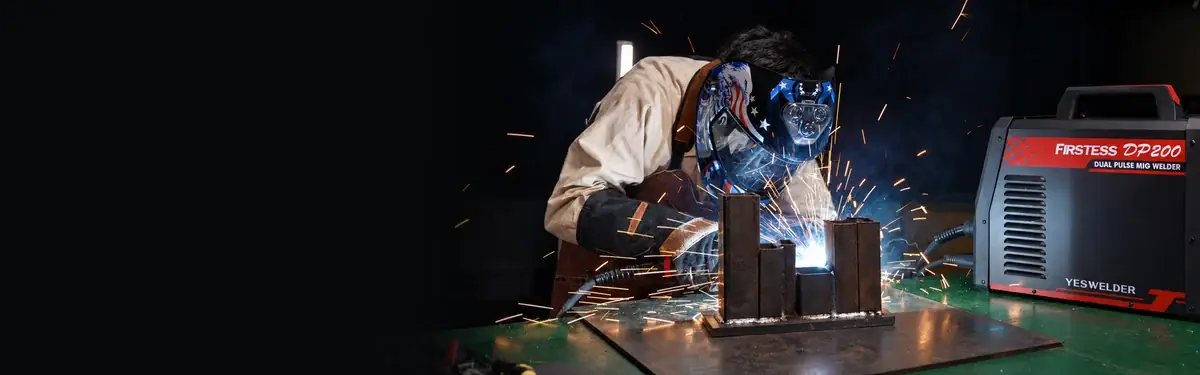
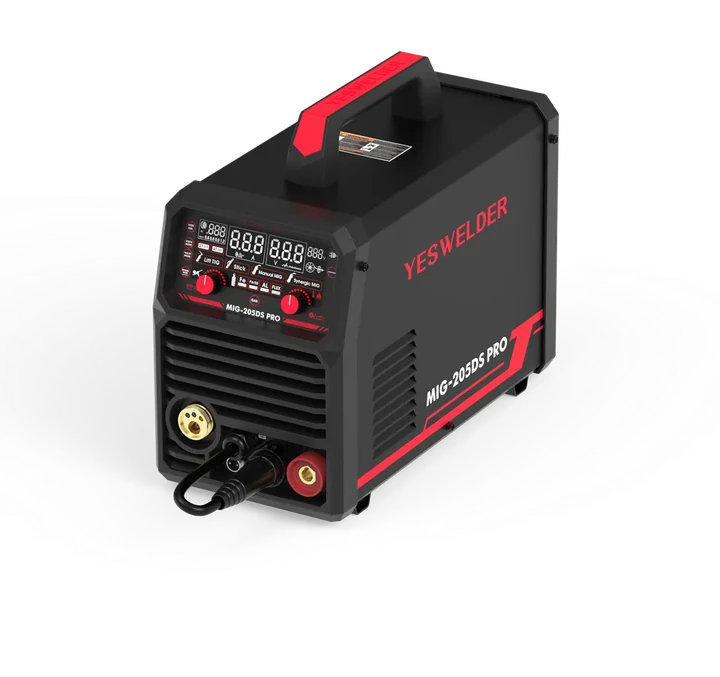
A direct-to-consumer welding brand built around affordable multiprocess machines and beginner-friendly controls.
Visit official YesWelder siteWho makes it, who sells it, and where support actually goes.
Brand history is not a mascot contest. For a first welder, it tells you what kind of company stands behind the machine, which sales channel you are relying on, and how easy replacement parts or service may be to reach. First Bead separates established industrial brands from newer direct-to-consumer challengers without assuming that age guarantees a better arc. We look at the origin of the product line, the current seller, published warranty language, consumable availability and the difference between a manufacturer and a marketplace listing. The goal is a clearer ownership path, not a nostalgic story that hides today's support reality.
6 brands · ownership context
Maker-focused challenger
A direct-to-consumer welding brand built around affordable multiprocess machines and beginner-friendly controls.
Visit official YesWelder site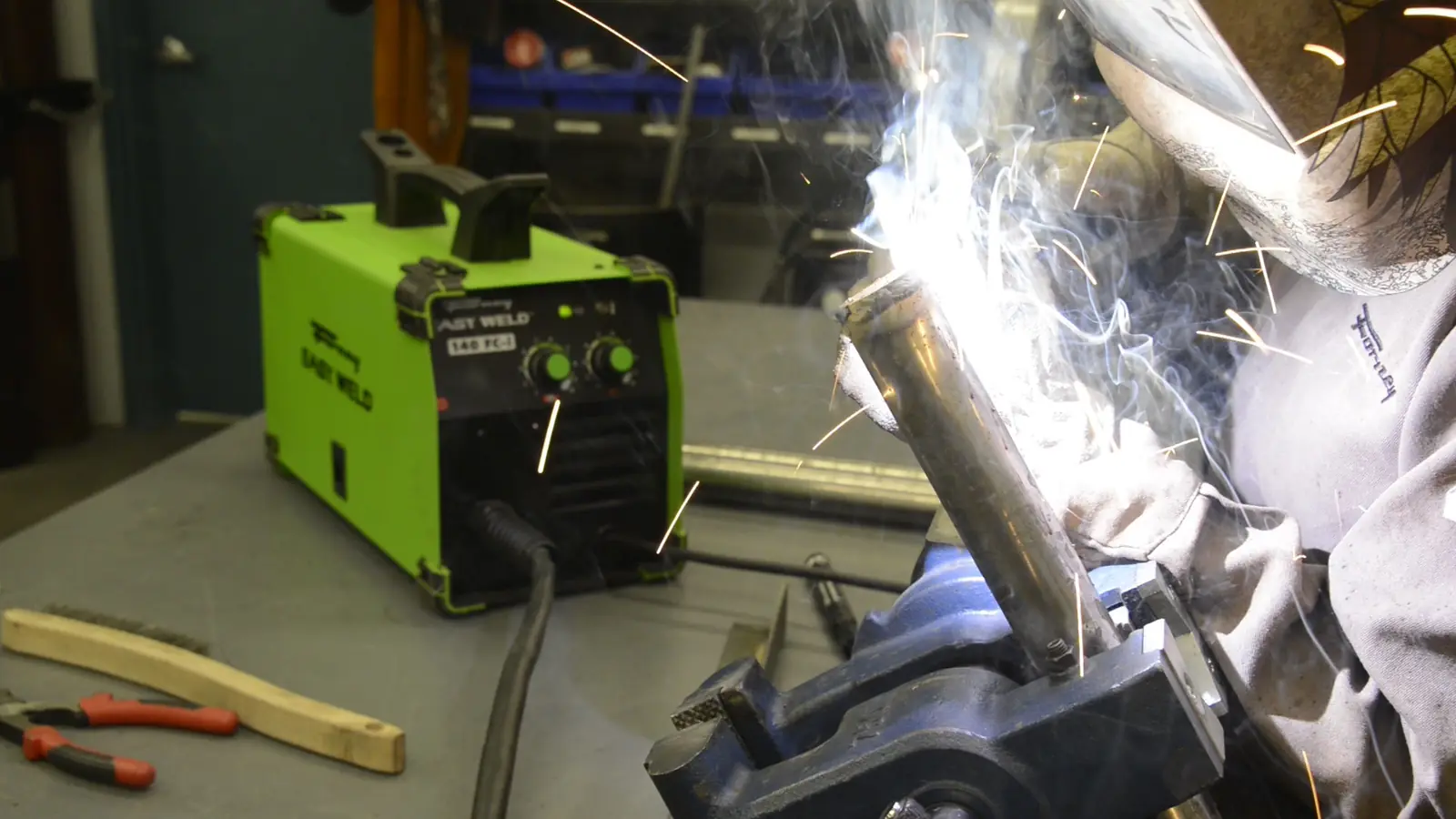

Established American welding and metalworking brand
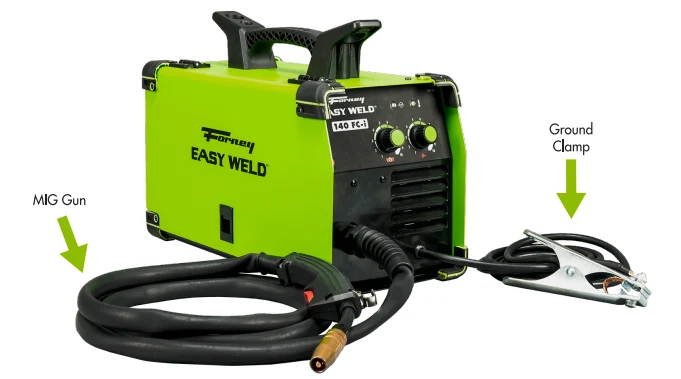
A family-founded industrial brand with a long catalog history and a compact line of homeowner flux-core welders.
Visit official Forney site
Established home-shop benchmark
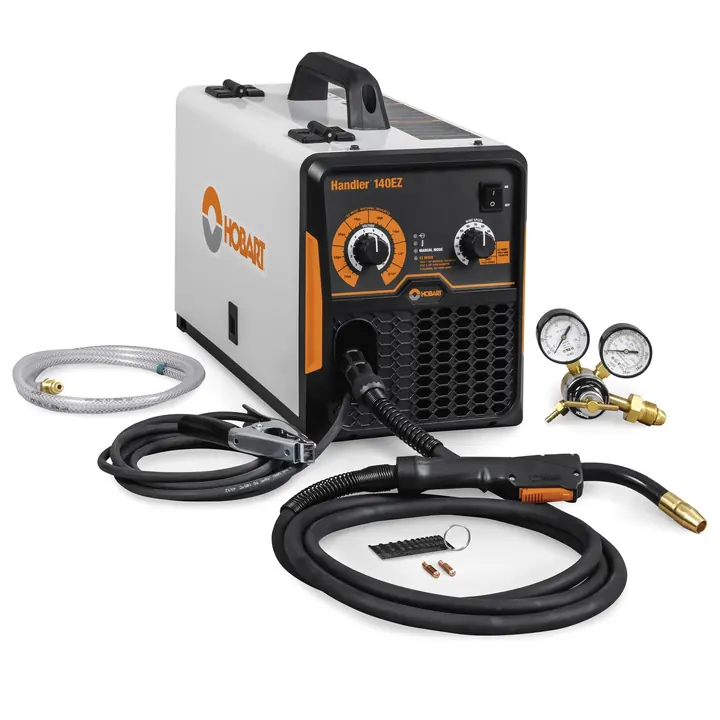
Commonly compared with premium professional brands for durable home-shop MIG welders, broad parts availability and dealer support.
Visit official Hobart site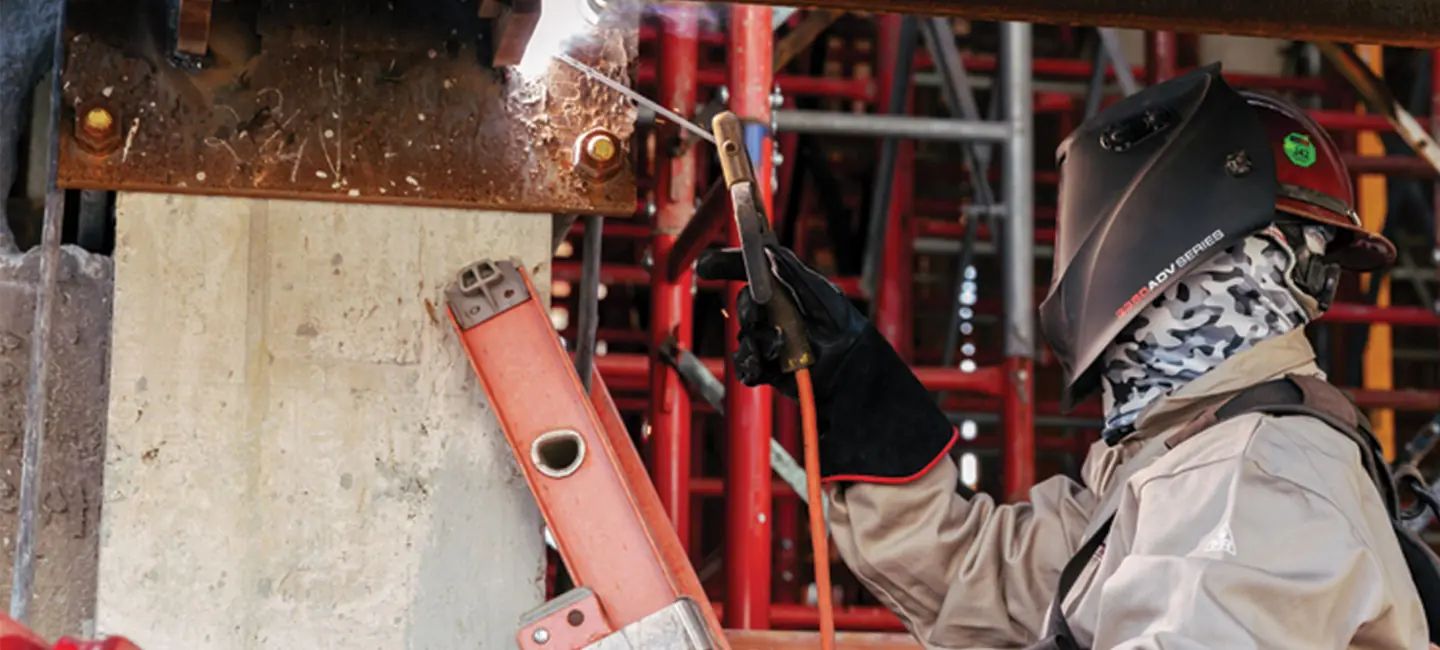

Industrial welding benchmark
A major professional and industrial welding brand with a broad range of power sources, technical documentation and commercial service channels.
Visit official Lincoln Electric site

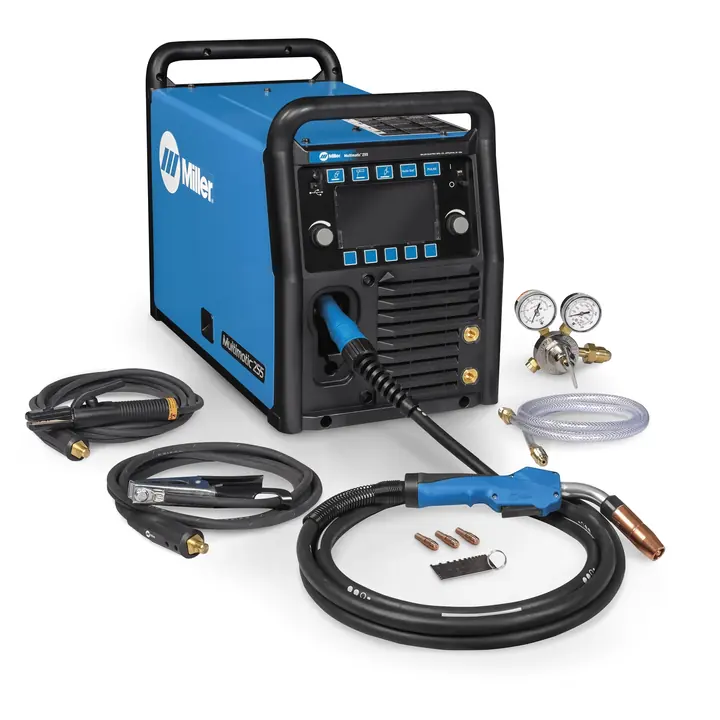
Professional equipment benchmark
A premium professional welding brand commonly used as the upper end of home-shop comparisons for controls, duty cycle and dealer support.
Visit official Miller site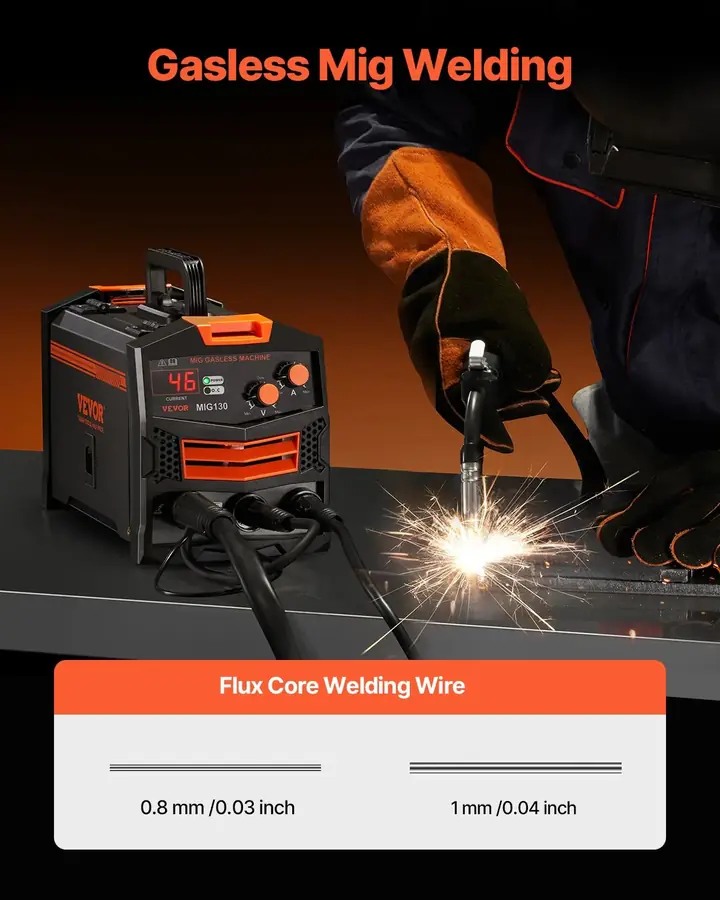

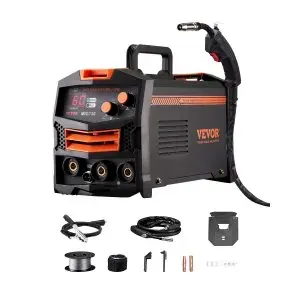
Broad-catalog value equipment
A large direct-to-consumer tool and equipment catalog with welding machines spanning low-cost flux core to AC/DC TIG.
Visit official VEVOR siteStraight answers
There is no universal winner. Forney and Hobart often fit buyers who value simple 120V operation or established support. YesWelder can fit buyers who need multiple processes and have access to a suitable higher-voltage circuit. Miller and Lincoln make strong professional equipment, but their value depends on the exact model and local support.
No. A legacy brand may offer stronger parts availability, documentation and resale support, but you still need the right process, output and circuit for your work. Paying more for a machine that cannot use the outlet you have is not a quality upgrade.
No. Country of manufacture alone cannot establish arc quality, component choice, testing or after-sales support. Read the exact model's manual, warranty and parts path. Two machines made in the same region can use different controls, consumables and service arrangements.
Check the covered region, length, what counts as normal wear, who pays return shipping and whether consumables are excluded. Also confirm that the seller is an authorized channel. A long warranty is less useful when the buyer cannot reach the service process or replacement parts.
Brand history helps reveal whether the seller is the manufacturer, a family-owned distributor, a marketplace storefront or a newer direct brand. That affects support and continuity, but it does not replace model-level evidence. Use history as context, then compare the exact machine and circuit.