
Desk review
8 min read
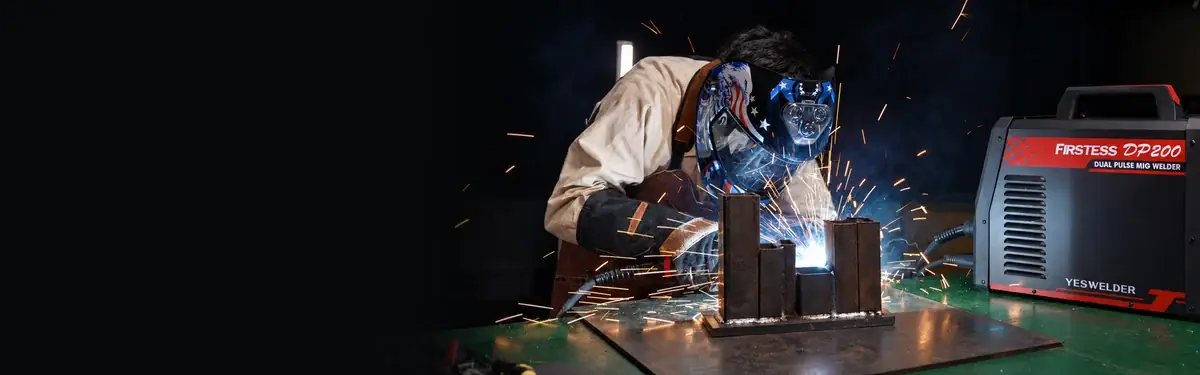
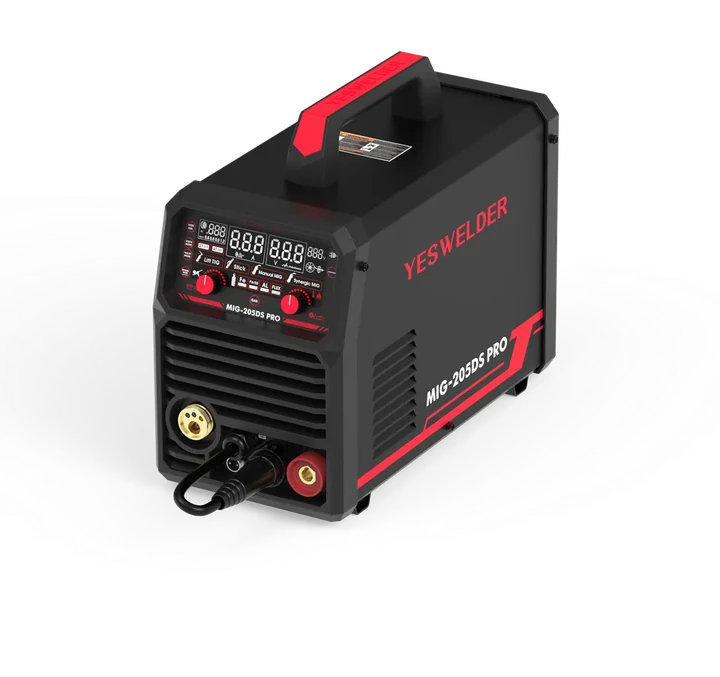
YesWelder MIG-205DS Pro review
An evidence-based YesWelder MIG-205DS Pro review covering 120V and 240V limits, processes, duty cycle, accessories and who should skip it.
Read the guideEvidence-labelled machine reviews with the limitations left in.
First Bead reviews start with the work you actually plan to do, not a tournament of headline amps. We separate output current from input demand, identify the circuit each machine expects, and show how duty cycle changes with voltage. A review is labelled as a desk review unless we have personally tested that exact machine. That distinction matters: manufacturer specifications can establish boundaries and missing information, but they cannot recreate arc feel or long-term ownership. Our reviews focus on the questions that usually decide a first purchase: outlet fit, process choice, consumables, support, and the point at which a cheaper machine stops being the cheaper choice.
The library
6 articles in this section.
An evidence-based YesWelder MIG-205DS Pro review covering 120V and 240V limits, processes, duty cycle, accessories and who should skip it.
Read the guide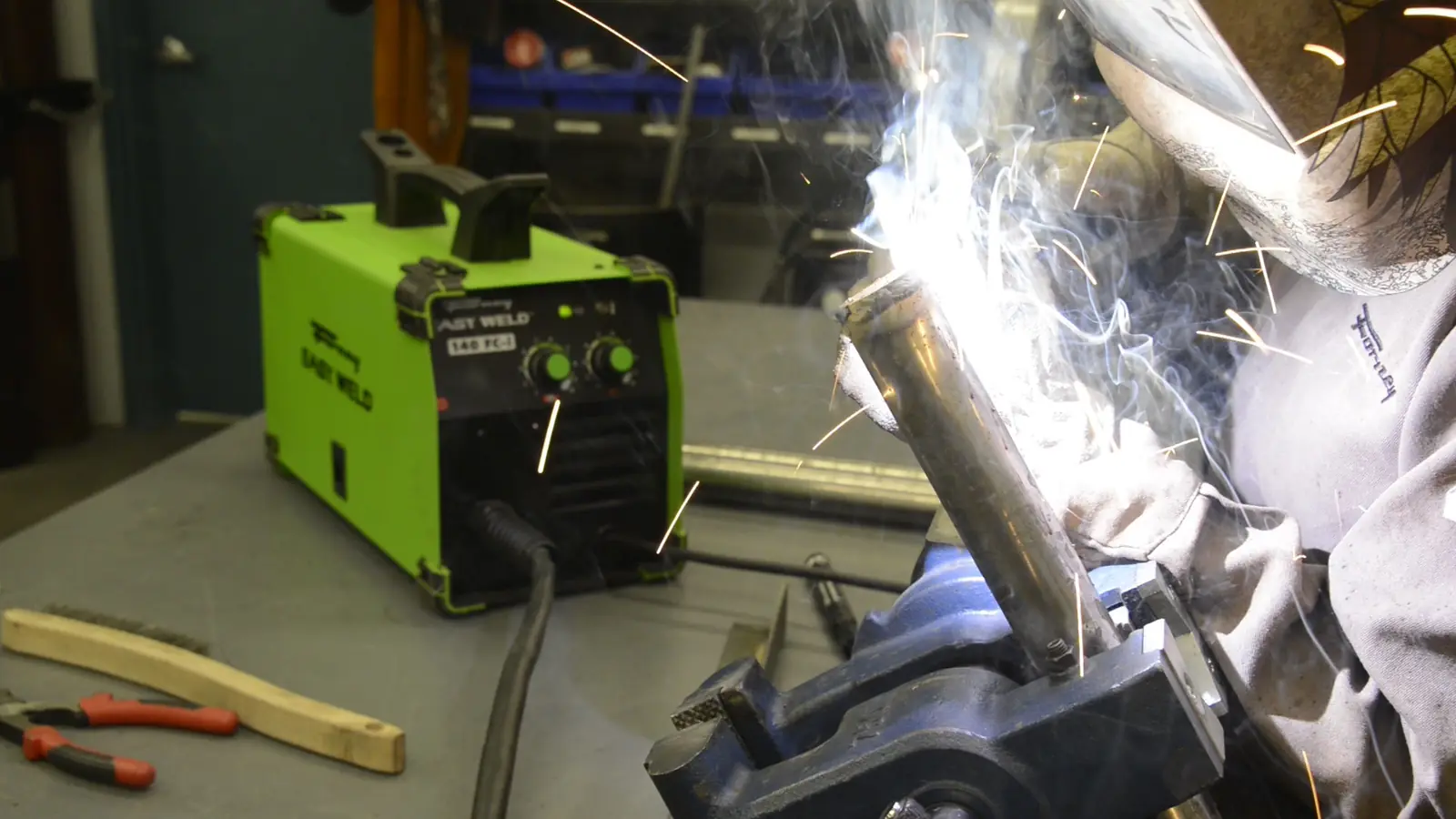

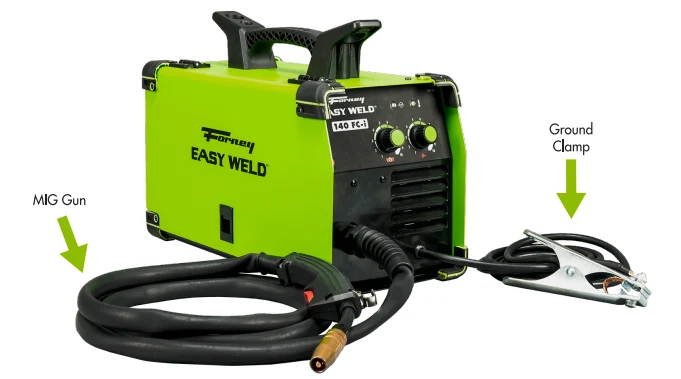
A Forney Easy Weld 140 FC-i desk review covering the 120V circuit, flux-core limits, thin steel, duty cycle and ownership trade-offs.
Read the guide

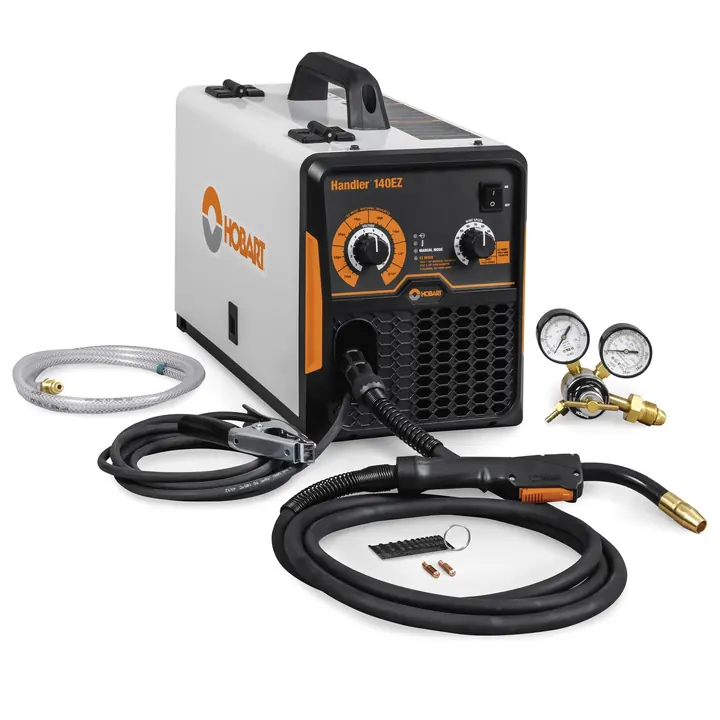
A desk review of the Hobart Handler 140EZ covering its 120V circuit, EZ Mode, aluminum path, duty cycle and who should skip it.
Read the guide

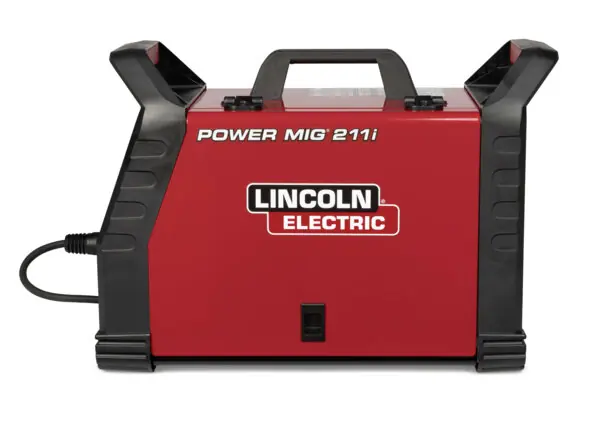
A desk review of the Lincoln POWER MIG 211i covering 120V/230V ratings, setup, spool-gun capability, duty cycle and ownership value.
Read the guide

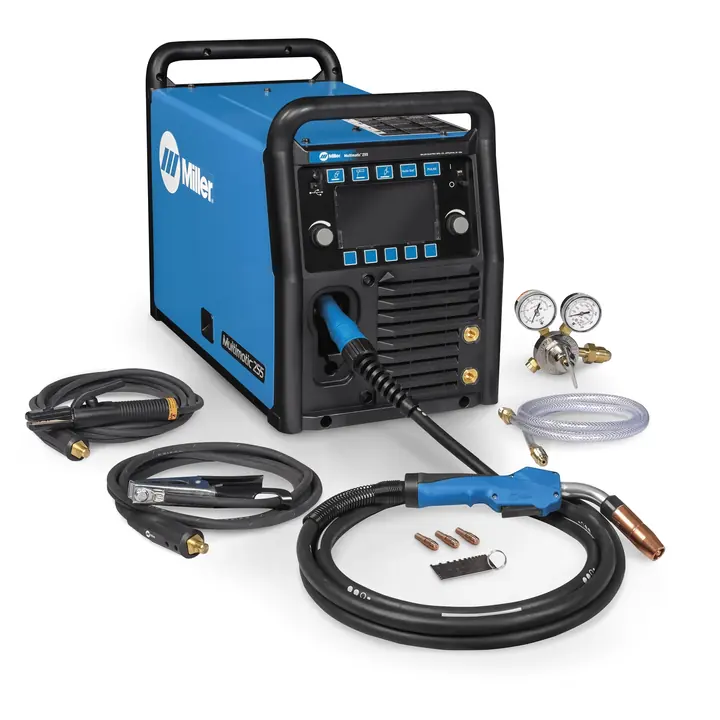
A desk review of the Miller Multimatic 255 covering professional input, output, processes, portability and why it is not a 120V first welder.
Read the guide

A desk review of the VEVOR 160A 4-in-1 welder covering 110V/220V input, MIG, flux-core, stick and lift TIG, limitations and buyer fit.
Read the guideStraight answers
A useful review should name the exact model, input voltage and current requirements, output range, duty cycle at a stated amperage, supported processes, included accessories, warranty and support path. It should also explain who should not buy the machine. A list of headline amps is not enough because the wall circuit and the work determine whether the machine is practical.
Only when the page explicitly says so. Reviews labelled desk review use manufacturer manuals, specification pages and clearly identified published evidence. We do not invent arc feel, spatter results or long-term durability. This makes the evidence boundary visible before you rely on a recommendation.
Amperage is only one part of the system. Input demand, voltage while welding, duty cycle, wire-feed quality, torch and ground-clamp condition, control resolution and thermal protection all affect the experience. A machine labelled 200A may reach that output only briefly or only on a higher-voltage circuit.
Not automatically. A multiprocess machine can reduce space and equipment count, but it adds controls, accessories and another set of consumables. If your work is thin steel repairs, a simpler flux-core machine may be easier to learn. Choose multiple processes only when you have a real project that needs them.
We revisit a review when a model changes, a manual is revised, a warranty or support path changes, or a product page materially changes its claims. The page date records the last editorial check. Always confirm the exact regional model and current product configuration before ordering.