
Decision guide
8 min read
Best welder for a home garage
Choose a first welder by outlet, steel thickness, process and complete starter cost instead of headline amps.
Read the guideStart with the outlet, steel and project, then choose a machine.
A first welder is a system purchase. The wall circuit sets an input limit, the metal sets a process and output window, and the project determines which accessories are genuinely necessary. First Bead buying guides work in that order so a headline amp rating cannot hide a tripped breaker or a missing gas setup. We explain how to read the nameplate, compare duty cycle at the amperage you will use, and separate the machine price from the full starter cost. The result is a shorter list of machines that can do the job in your garage, not a longer list of every welder on the market.
The library
11 guides + 6 brand reviews
Choose a first welder by outlet, steel thickness, process and complete starter cost instead of headline amps.
Read the guide
Compare the practical output, input current, duty cycle and installation consequences of 120V and 240V welders.
Read the guide

Compare gasless flux-cored welding with gas-shielded MIG by smoke, thin steel, wind, cost and garage setup.
Read the guide
A practical sizing method for 1/8-inch and 1/4-inch steel that separates rated output, maximum output and circuit limits.
Read the guide
A realistic first-welder shopping list covering safety, cutting, cleaning, consumables and fume control.
Read the guide

Choose a beginner welding helmet by safety standard, shade range, optical clarity, sensors, fit and spare parts.
Read the guide
Compare a bundled welder kit with a self-built starter setup by safety, consumables, circuit fit and total ownership cost.
Read the guide
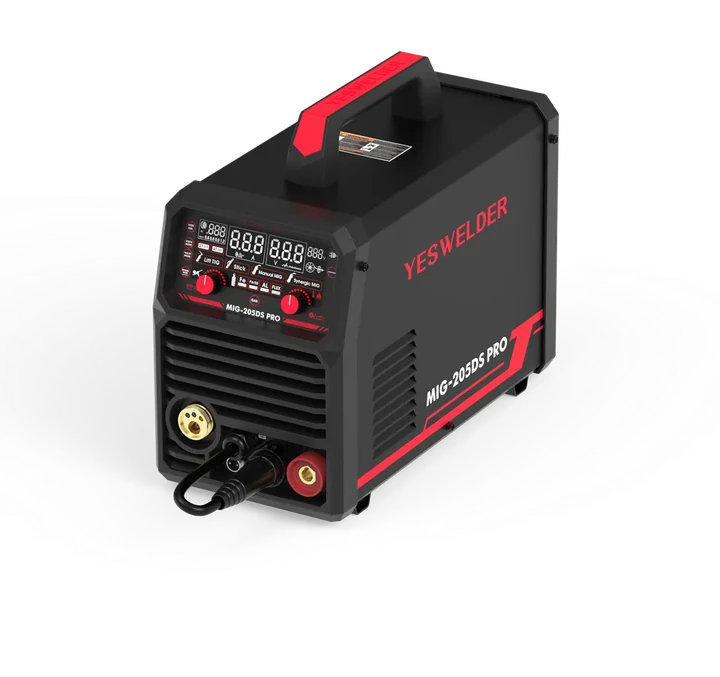
Compare YesWelder MIG-205DS Pro and Forney Easy Weld 140 FC-i by circuit, processes, thin steel, aluminum and support.
Read the guide
Spot a dubious welding-machine listing by missing input current, undefined duty cycle, impossible claims and absent support.
Read the guide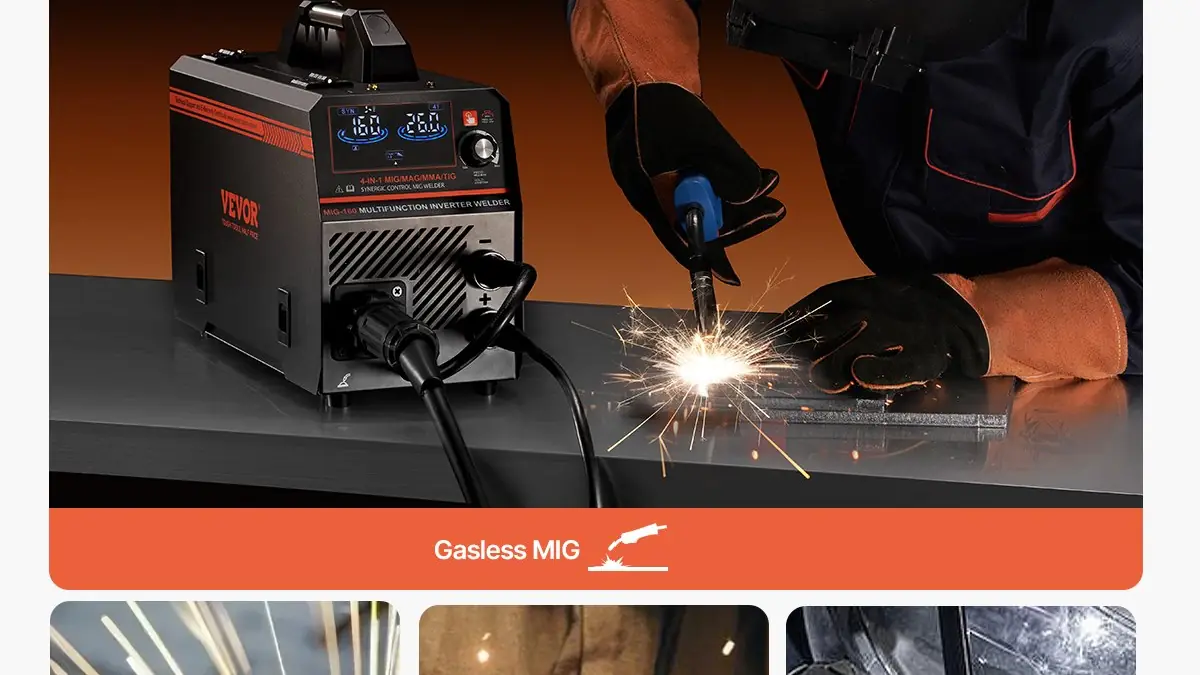

Compare four VEVOR welding-machine routes by process, voltage and the kind of first garage project they suit.
Read the guide
Compare six welder brands by beginner fit, voltage, process range, support and the buyer each one suits.
Read the guideIndividual brand reviews
Each machine below is evaluated as a desk review with exact voltage, output and ownership constraints.
An evidence-based YesWelder MIG-205DS Pro review covering 120V and 240V limits, processes, duty cycle, accessories and who should skip it.
Read the guide
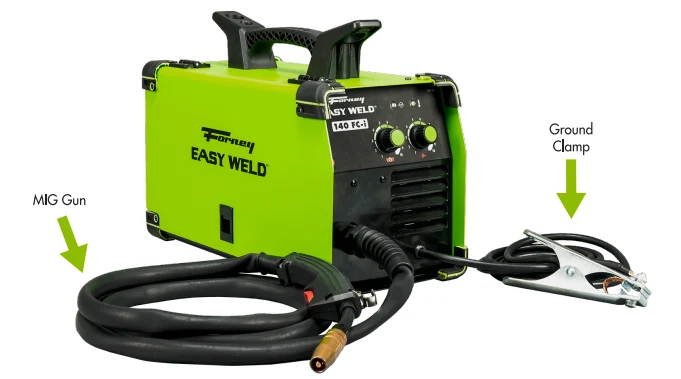
A Forney Easy Weld 140 FC-i desk review covering the 120V circuit, flux-core limits, thin steel, duty cycle and ownership trade-offs.
Read the guide
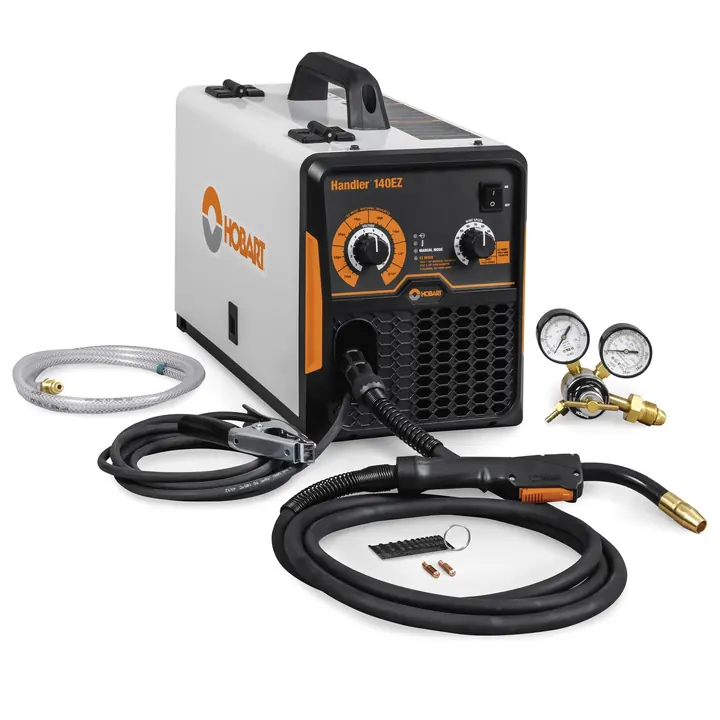
A desk review of the Hobart Handler 140EZ covering its 120V circuit, EZ Mode, aluminum path, duty cycle and who should skip it.
Read the guide

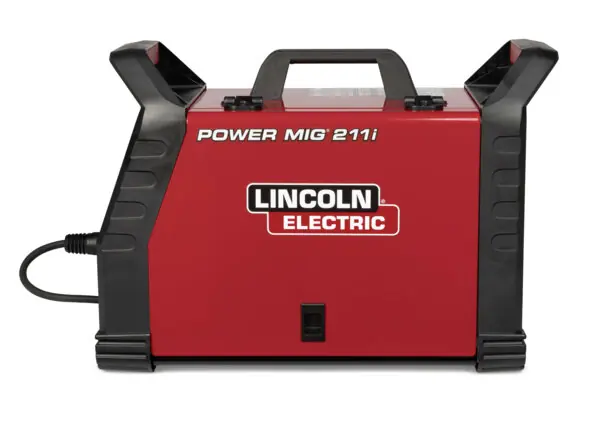
A desk review of the Lincoln POWER MIG 211i covering 120V/230V ratings, setup, spool-gun capability, duty cycle and ownership value.
Read the guide

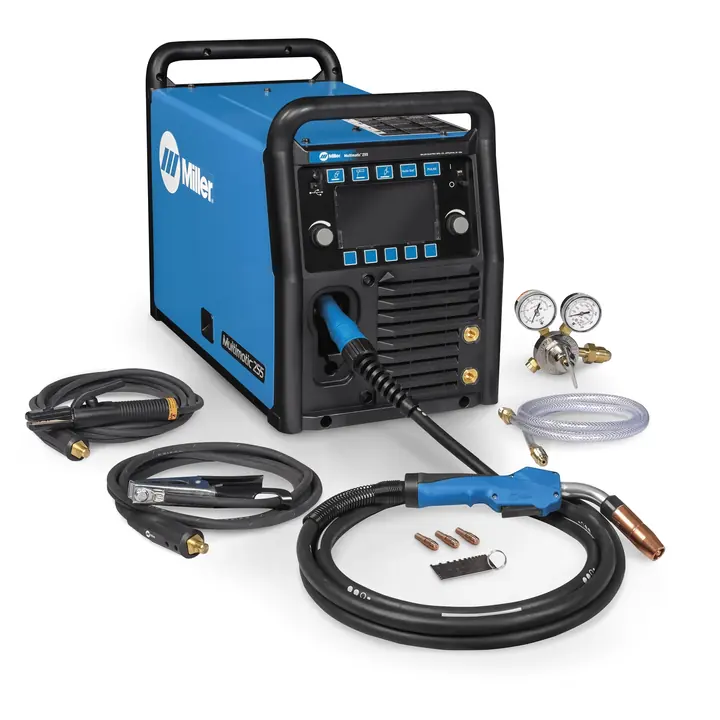
A desk review of the Miller Multimatic 255 covering professional input, output, processes, portability and why it is not a 120V first welder.
Read the guide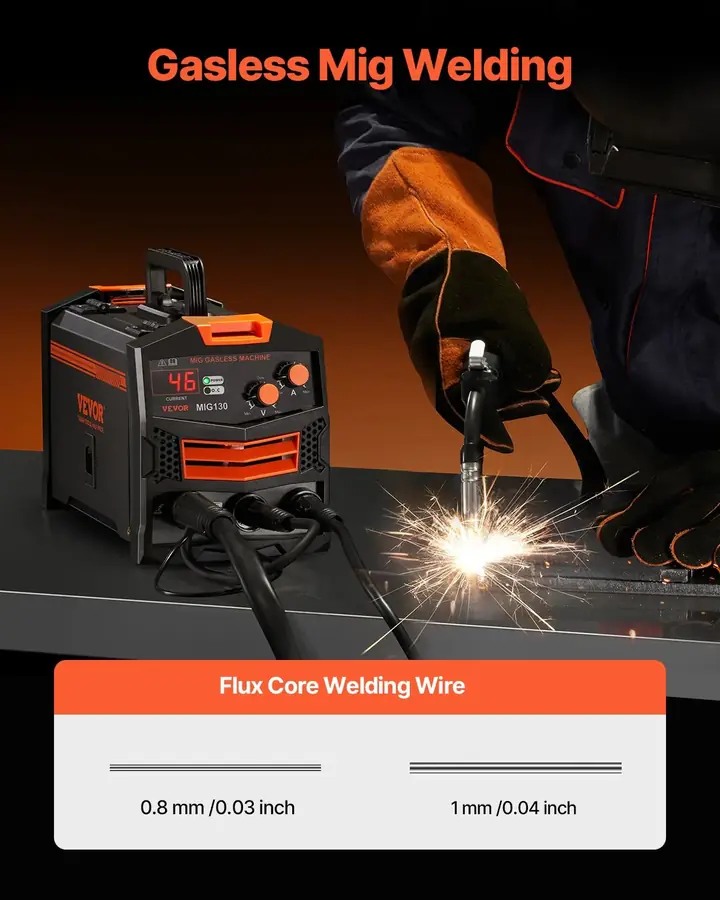
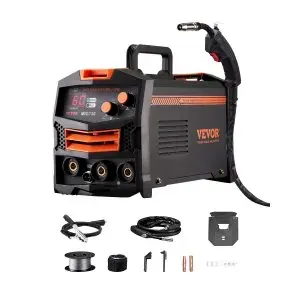
A desk review of the VEVOR 160A 4-in-1 welder covering 110V/220V input, MIG, flux-core, stick and lift TIG, limitations and buyer fit.
Read the guideStraight answers
Check the outlet voltage, breaker size and whether higher-power loads share the circuit. Then identify the steel type and thickness, the process you can learn and operate safely, the required safety gear and the full cost of consumables. Confirm the exact machine's manual before purchase.
Dual voltage is worth it when you have a suitable 240V circuit or expect to add one and need more output later. On 120V, the machine still has a lower output ceiling and higher input current. Do not buy dual voltage as a substitute for checking the garage circuit.
The best fit depends on the outlet and work. A simple 120V flux-core machine can suit thin-steel repairs and occasional projects. A dual-voltage multiprocess machine makes more sense when 240V is available and you need MIG, flux-core, stick or lift TIG. Skill and safety gear matter as much as the model.
Many homeowner-class 120V machines are used successfully on roughly 1/8-inch steel, with 3/16-inch often requiring careful joint preparation or multiple passes. A 1/4-inch claim may describe a maximum under specific conditions rather than a comfortable production capability. Follow the exact manual and never treat a thickness claim as structural approval.
Flux-cored wire provides its own shielding and does not require a gas cylinder. Solid MIG wire generally requires an appropriate shielding gas, regulator and cylinder. Gas MIG can produce cleaner welds on thin steel, but the cylinder, refill and indoor ventilation plan must be included in the decision.