
Project guide
8 min read
Build a welding cart
Plan a small, non-structural welding cart with a stable base, practical shelves, casters and a secured power lead.
Read the guideUseful practice projects that teach layout, tacking and control.
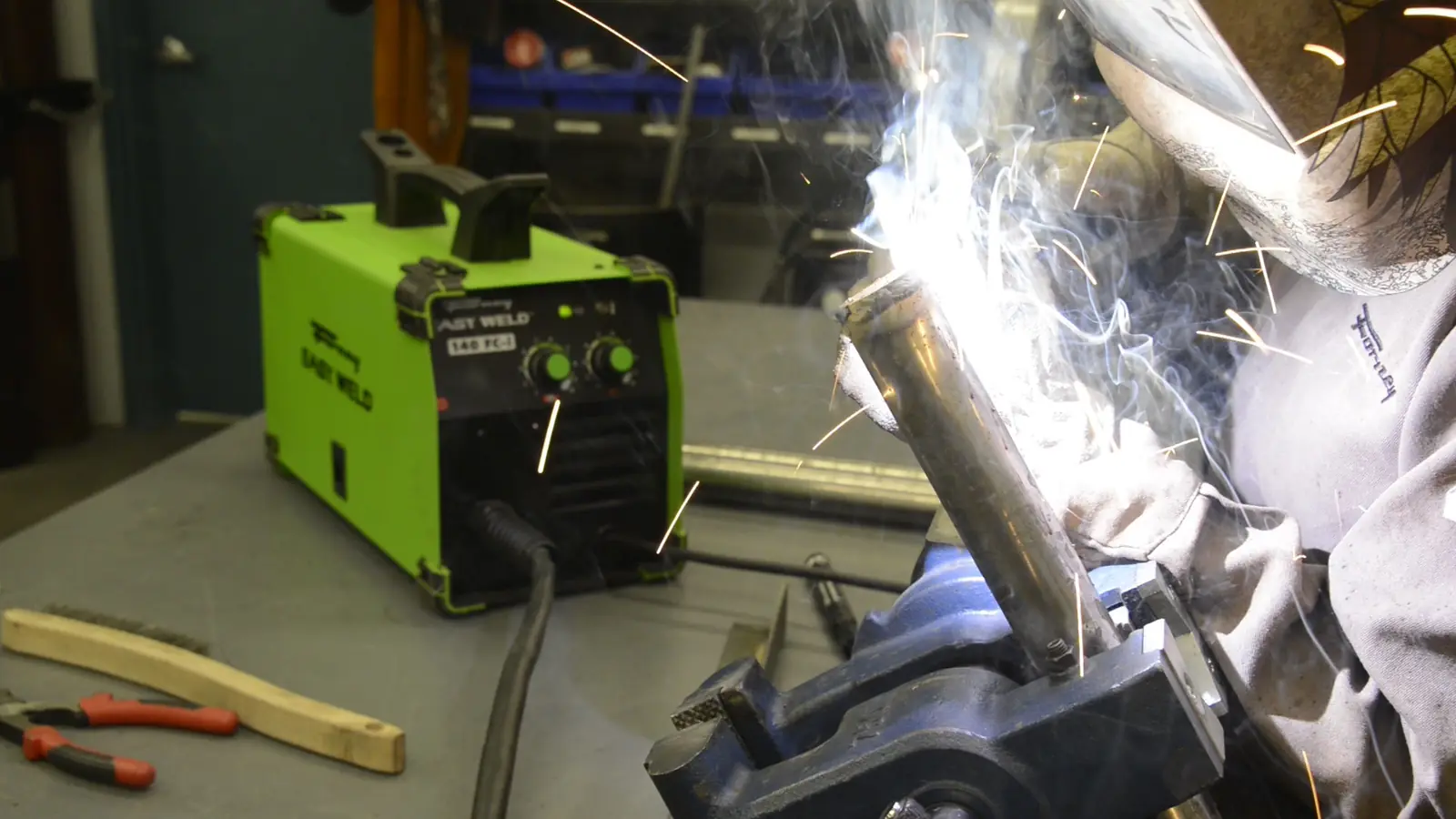
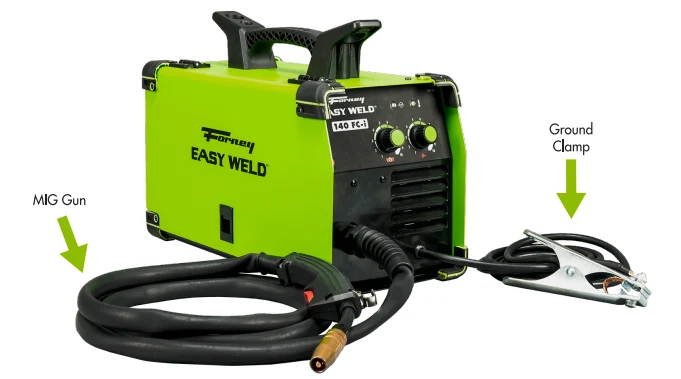
A first project should produce something useful without pretending that a single tutorial creates a certified fabricator. First Bead project guides use scrap and simple fixtures to teach fit-up, tacking, distortion control, squareness and finishing. They are not structural, lifting or pressure-system instructions. The welding cart is a practical first build because it combines measurement, a square frame, wheels and a small load-bearing test, yet it remains approachable for a home garage. We explain the planning checks, material choices and safe sequence before decoration. Practice beads and test joints come first because a cart should not become the place where you discover that your settings are wrong.
The library
7 articles in this section.
Plan a small, non-structural welding cart with a stable base, practical shelves, casters and a secured power lead.
Read the guide

Build a low-load rolling tray for MIG tips, pliers, gloves and a small spool using scrap steel.
Read the guide
Build a light steel screen frame to organize a garage welding corner and separate the work area.
Read the guide

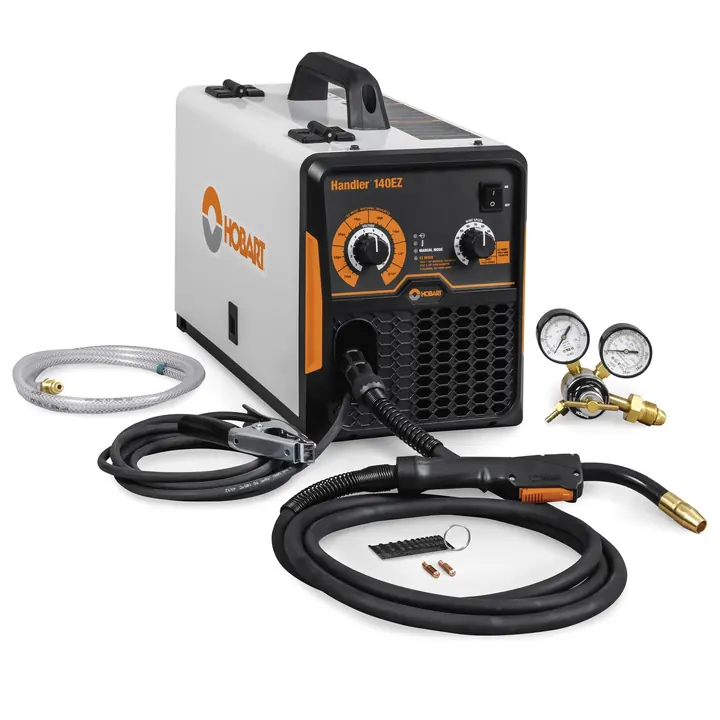
Build a low-load clamp rack that keeps welding tools and cables organized around a Hobart Handler 140EZ cart.
Read the guide

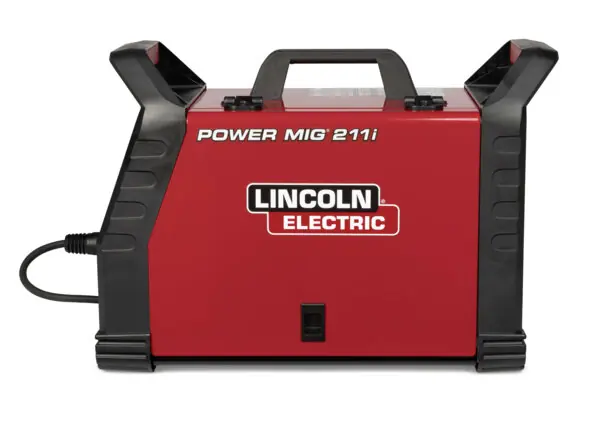
Build a low-load hook and cable guide for a Lincoln POWER MIG 211i cart so the power lead stays off the floor.
Read the guide

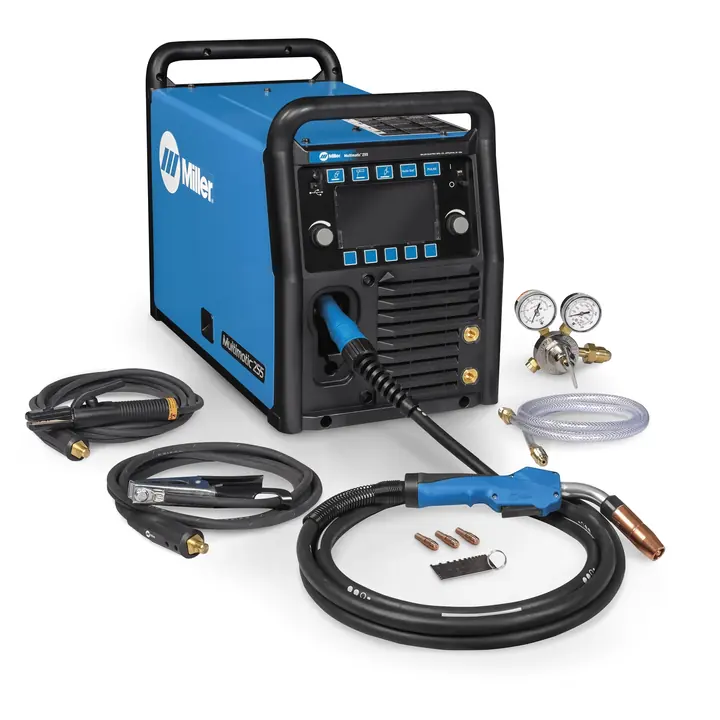
Build a heavy-duty shop hanger that keeps a Miller Multimatic 255 gun and cable off the floor without stressing the connector.
Read the guide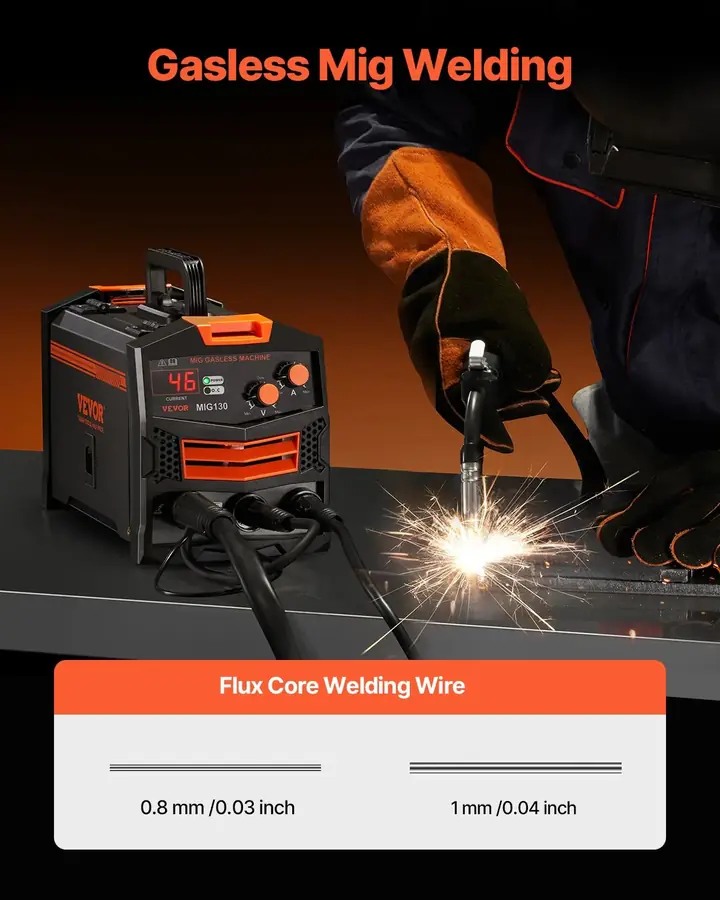

Build a compact low-load cart around the VEVOR 160A 4-in-1 footprint, with cable hooks and a secure shelf.
Read the guideStraight answers
A small welding cart, shop stool, grinder stand or simple bracket can be a useful first project. Choose something that is not structural and does not hold pressure or support people. Start with scrap joints in the same material and thickness so you can tune technique before building the final piece.
A light-duty welding cart can be planned around common square tubing, but the wall thickness, wheel arrangement and final load determine whether it is adequate. Use the machine and consumables you actually own as the load estimate. Follow suitable design guidance and do not treat this site's example as a certified structural design.
No. A gas cylinder should remain independently secured according to the cylinder supplier's and manufacturer's instructions. Do not weld to the cylinder or use the cart as a substitute for an approved retention device. Store and transport cylinders upright and protected from heat and impact.
You will usually need a measuring tool, square, angle grinder or saw for cutting, clamps, a welding machine, suitable PPE and a way to clean the joints. A drill or hole saw may be needed for casters. Confirm your machine can handle the tube wall thickness before buying material.
Practice joints reveal the machine settings, travel speed and fit-up issues that a finished project can hide. Use scrap of the same material and thickness, inspect the bead, and adjust before cutting the final frame. A few test tacks are cheaper than rebuilding a distorted cart.