
Plan the cart around the real load
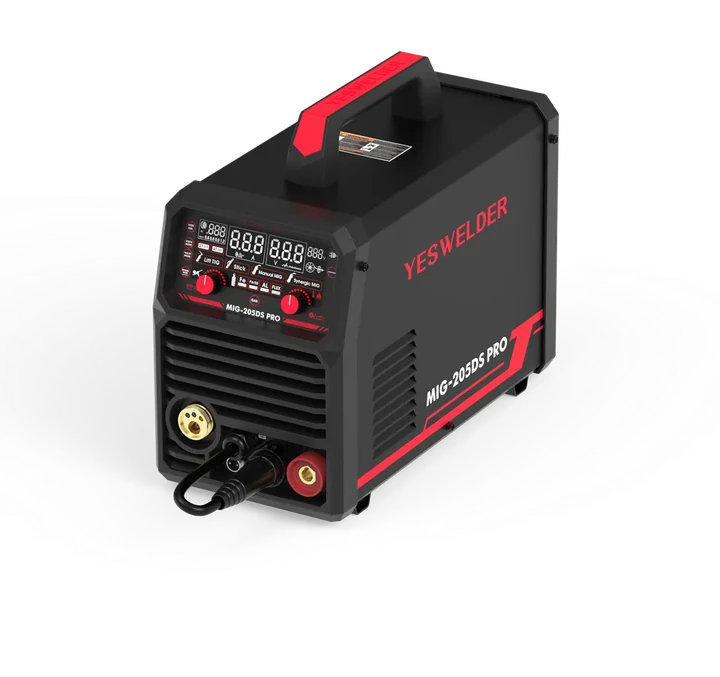
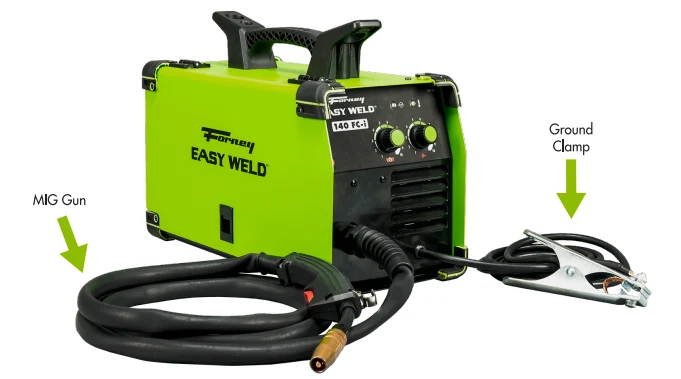
Measure the welder's base, width, height and cable clearance. Add space for the ground lead, torch, wire spool and the accessories you want on the cart. A useful planning example is a 24-inch by 18-inch footprint with a lower shelf, but the welder and wheel layout should determine the final dimensions.
Estimate the total load before selecting casters and frame material. A small inverter welder is one load; a transformer machine, gas cylinder, drawers and tools are another. Use a cart design and wheel rating that comfortably exceed the planned load.
Start with square tacks
Cut two side rectangles and check that each is square before welding all four corners. Clamp the side frames to the bench, measure diagonals and tack opposite corners first. Recheck the diagonals before adding the crossmembers. Moving around the frame spreads heat and reduces pulling.
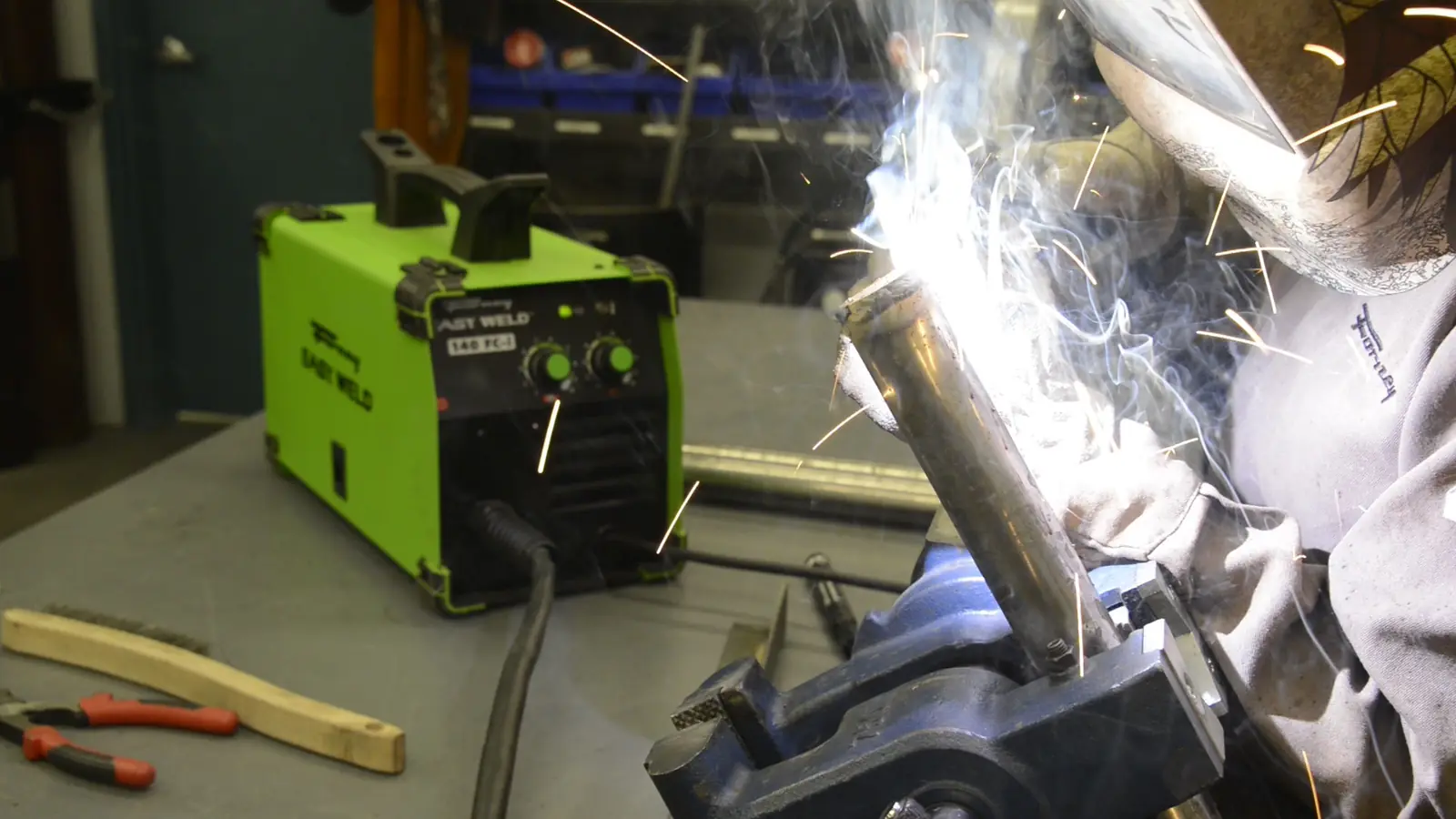
Practice on scrap of the same tube thickness before committing to the final cuts. Confirm the machine settings, wire condition and ground connection. A clean, bare ground point on the workpiece is better than a clamp attached through paint or rust.
Build the shelves and wheel mounts
The lower shelf can be expanded metal, a plate or a simple frame that keeps tools off the floor. Leave enough clearance for the wheels to swivel and for the welder's feet to sit flat. Add a retaining lip or strap points if the machine could slide.
Matching caster plates to the frame reduces frustration. Drill before welding when possible and keep hole positions aligned. Check the cart on a flat surface with the wheels installed before adding the top shelf. Correct any rocking or twisted frame before finishing.
Make the cart safe to live with
A power-lead hook or strain relief prevents the cord from dragging. Keep the torch and ground lead away from the wheels. Secure the welder with a strap or a lip if the cart must travel over a threshold. Do not build a storage cradle that relies on the gas cylinder as a structural member.
Cylinders should remain upright and independently secured according to the gas supplier and equipment instructions. Keep heat and sparks away from the cylinder. Paint the cart only after cleaning the metal and following the paint instructions. Test the completed cart empty, then with the machine, before putting it into service.