
Start with the garage circuit you actually have
Find the breaker that protects the outlet, not just the outlet shape. A 120V welder may require a dedicated 20A circuit, while a machine that can also run on 240V needs a different outlet and circuit for its higher-output side. Other loads on the same circuit can make a marginal setup trip even when the welder is operating within its own limit.
Read the exact model manual for input voltage, minimum circuit and maximum input current. The output rating does not tell you what the machine draws from the wall. If the panel is full, the garage has only a shared 15A circuit, or the path to a new outlet is unclear, include an electrician's assessment in the budget before choosing a welder.
Choose the process from the work, not the feature list
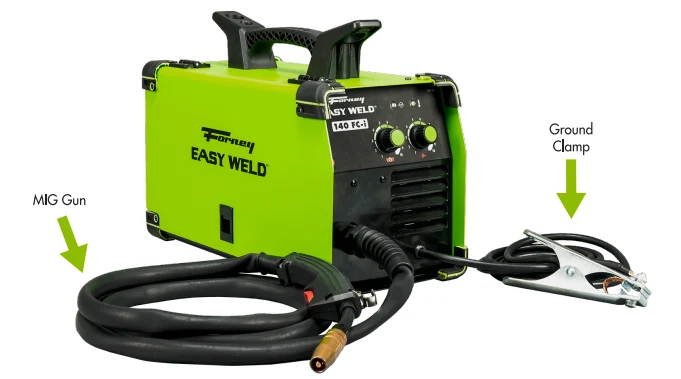
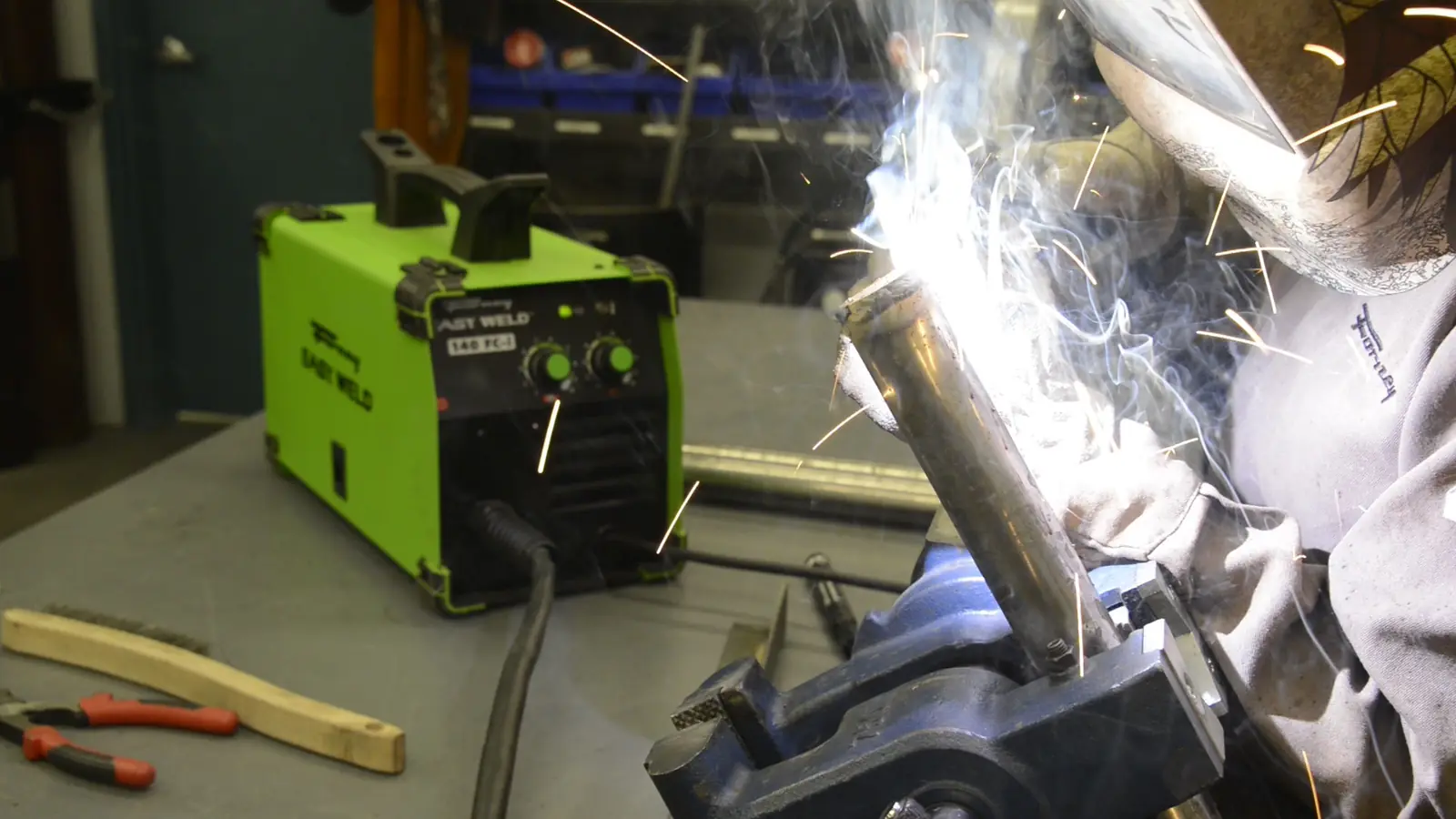
Flux-cored wire is a strong starting point for occasional mild-steel repair because it needs no shielding-gas cylinder. It produces more smoke and spatter than gas MIG and is less pleasant on very thin sheet. Gas MIG is cleaner for thin steel and body panels, but adds a regulator, cylinder, refill and ventilation plan.
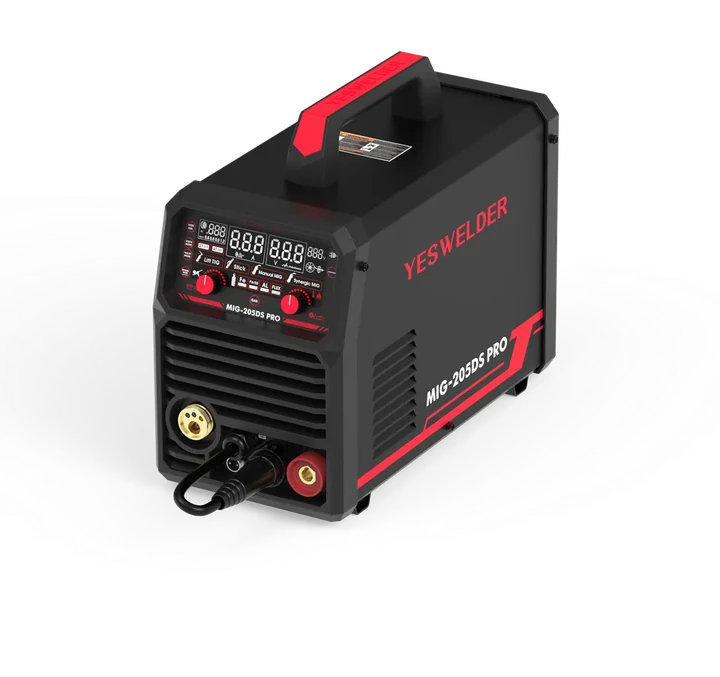
Lift TIG and stick can be useful, but they do not make a multiprocess machine automatically easier to learn. If your first jobs are brackets, gates, stands and general garage repair, begin with the process that matches those joints. Add processes because the project needs them, not because another mode appears in the model name.
Size output around the steel and joint
For many home garages, 1/8-inch mild steel is the practical working zone for a 120V machine. A 1/4-inch maximum claim may require multiple passes, preparation or a particular duty condition. At 240V, the same dual-voltage machine can reach higher output, but the circuit and thicker material plan become part of the purchase.
A thickness claim is not a structural approval. Trailers, hitches, lifting equipment, pressure systems and anything that could injure someone if a joint fails should be designed and welded by a qualified person. A beginner project should stay in non-critical, low-load work while skill is developed.
Compare the complete home-garage welding setup
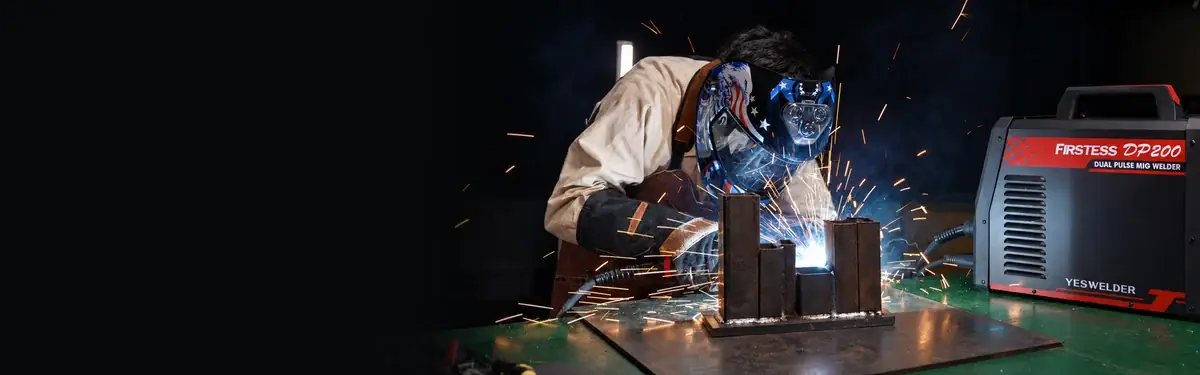
Add a welding helmet with appropriate arc protection, gloves, protective clothing, fire prevention and fume control to the machine price. Flux-cored wire, contact tips, a ground clamp, clamps and a grinder may also be needed. A gas MIG route adds a cylinder and regulator, while aluminum MIG may require a spool gun and different wire.
The cheapest first invoice is rarely the cheapest total setup. Compare two machines only after the outlet, safety gear and required consumables are included. Then decide whether the extra process capability saves money later or merely buys complexity you will not use.