
The outlet shape is not a circuit test
A standard 120V garage outlet may be on a 15A or 20A branch circuit. The familiar receptacle and the T-shaped neutral slot can provide clues, but they do not prove the conductor size, breaker rating, insulation condition or what else shares the path. A previous owner may have changed only the receptacle.
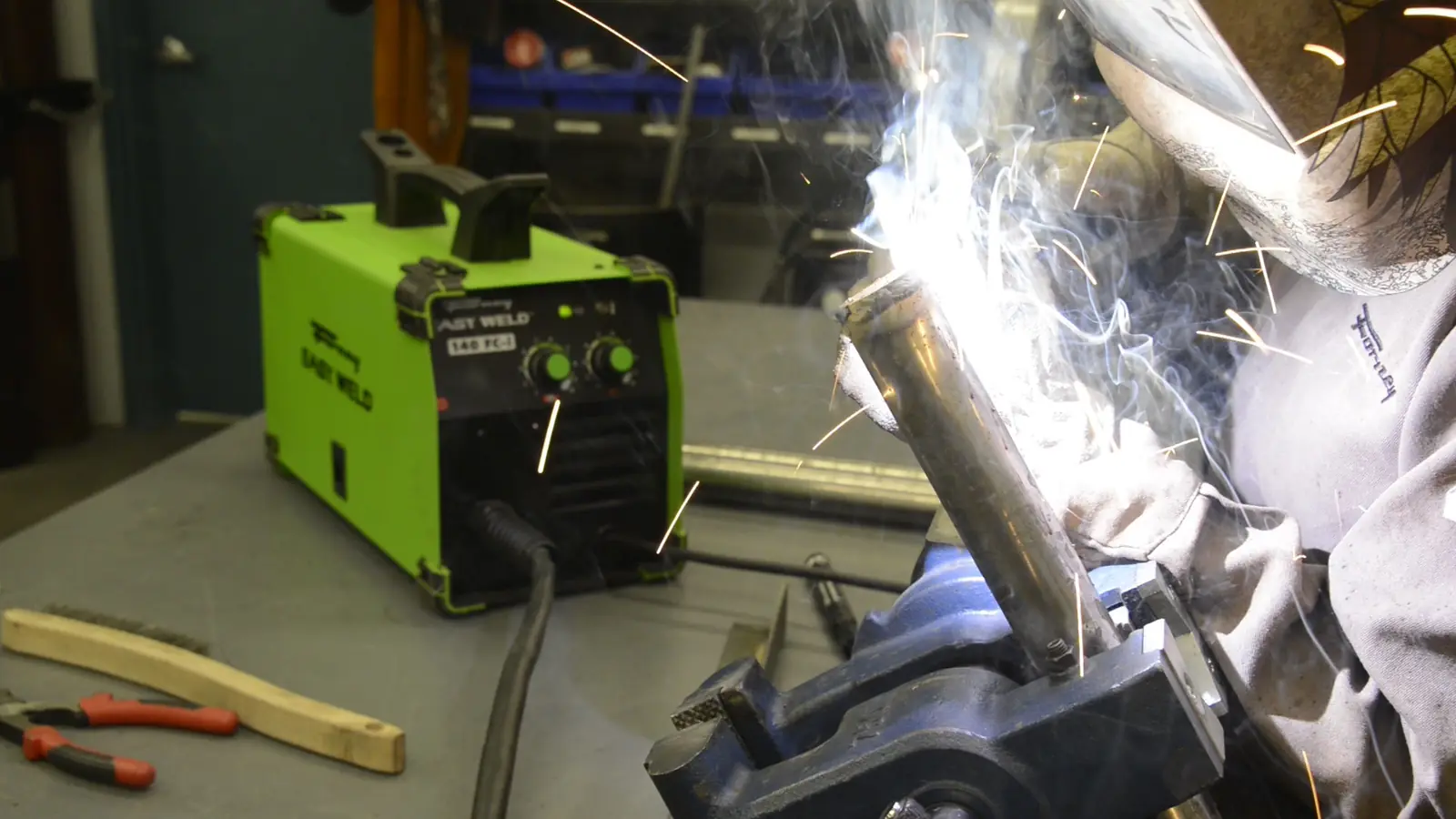
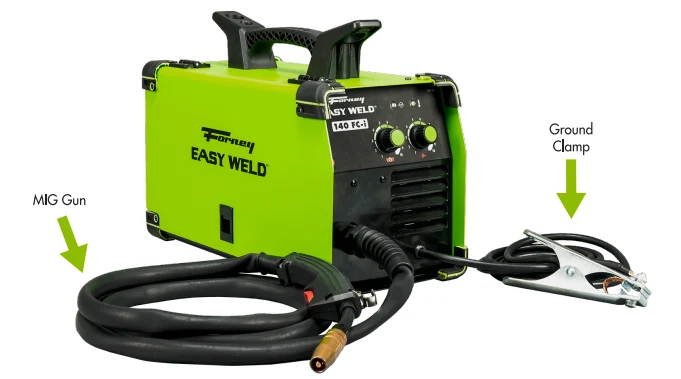
Open the exact welder manual and look for input voltage, recommended circuit, maximum input current and duty cycle. Forney's Easy Weld 140 FC-i quick-start material, for example, shows a 120VAC, 20A outlet and recommends a 30A breaker while also telling the user the welder should be the only load on the circuit. That is a model-specific requirement, not a universal rule for every 140A box.
Understand the 120V power ceiling
Power equals voltage multiplied by current, subject to losses. A nominal 20A, 120V circuit carries about 2,400W before practical limits; a 15A circuit is lower. The welder converts that input into a low-voltage, high-current arc, so advertised output amps cannot exceed the energy arriving from the wall.
This is why a model name containing 200 or 205 does not mean it makes 205A on 120V. A machine may reach a lower maximum or a lower rated output there. The manual's rated-output and duty-cycle line is more useful than the largest number on the front panel.
Do not diagnose breaker trips by buying an adapter
A tripping breaker can indicate a shared load, voltage drop, an undersized extension cord, a machine fault or a circuit that cannot support the selected setting. Moving the welder to a different circuit should not be done by defeating the plug or using an unsafe improvised adapter.
Keep the welder as the only load on its circuit when the manual requires it. Use only an extension cord that the manual permits, with the specified conductor size and length. If the breaker still trips at legal settings, stop and have the circuit evaluated.
Check the circuit before checkout
Record the breaker rating, the type of outlet, its distance from the work area and any appliances or lights on the same circuit. Photograph the panel labels, but do not remove the panel cover or work inside it. A licensed electrician should verify capacity and install any new circuit.
If the available circuit is marginal, either choose a machine designed for lower input or budget for electrical work. Do not spend the money on a higher-output machine first and assume the garage will catch up later.