
Safety gear comes before accessories
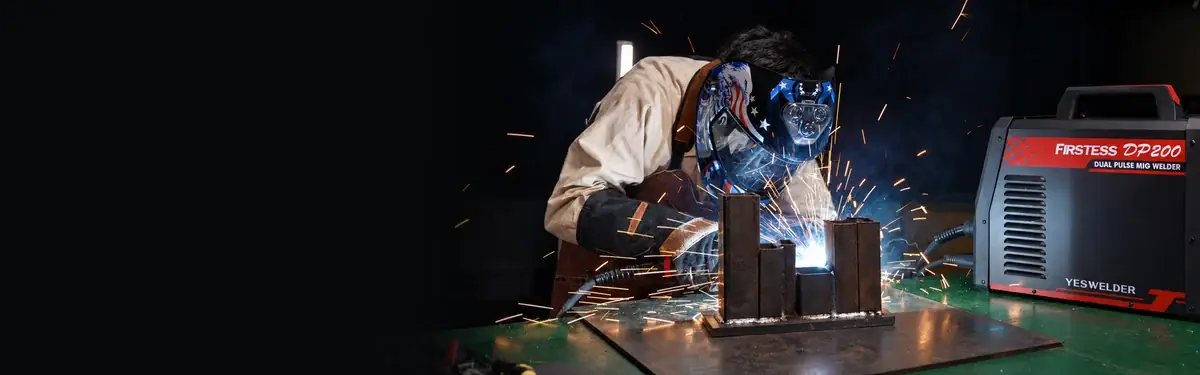
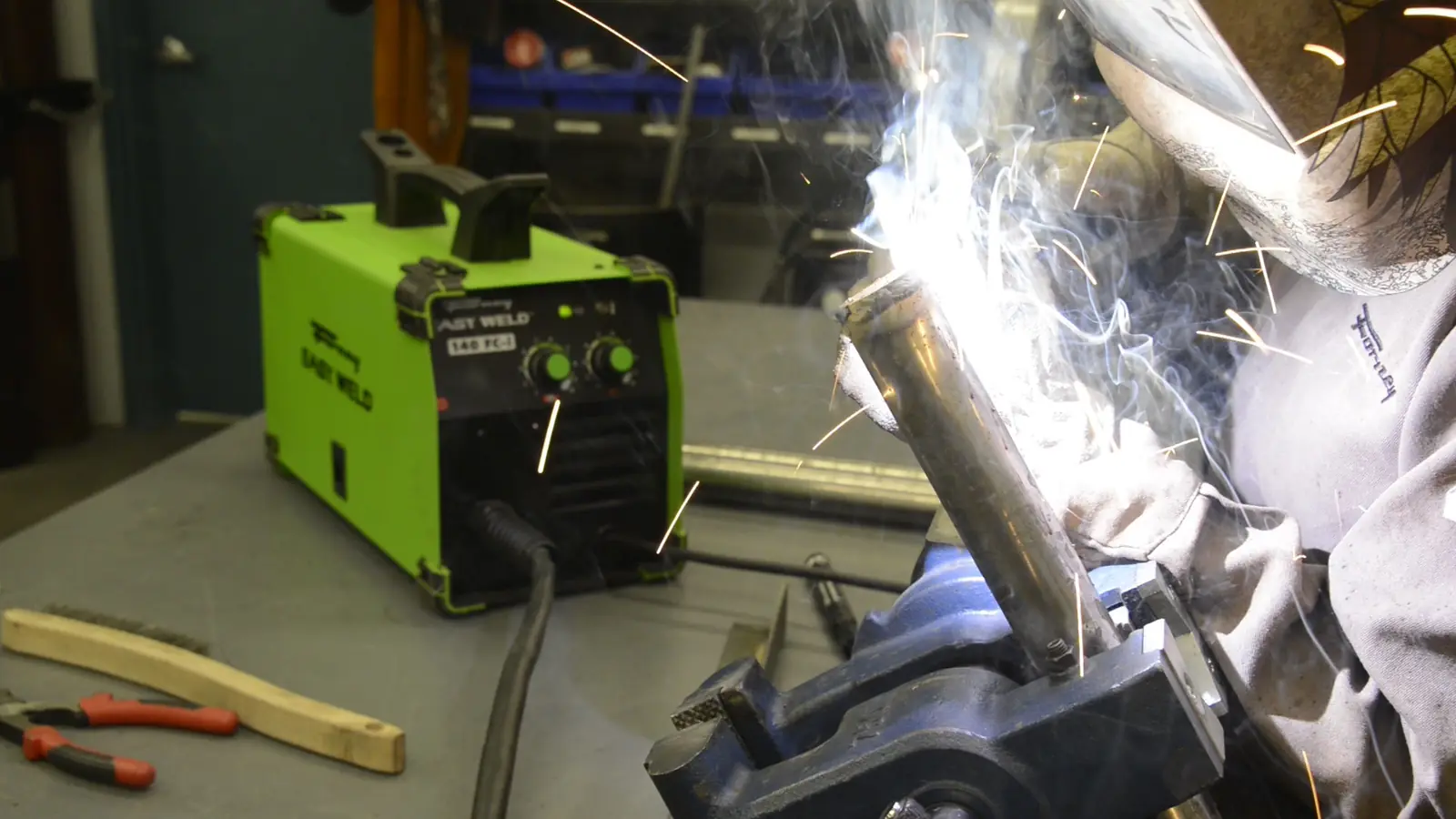
A suitable welding helmet, flame-resistant gloves, protective clothing covering exposed skin and appropriate footwear are not optional extras. Add eye and hearing protection for grinding, and a fire extinguisher suitable for the work area. Protect nearby surfaces and keep combustible material away from sparks.
For garage work, plan fume control before the first arc. An open door helps, but a fan or portable exhaust positioned to pull fume away from your breathing zone is more deliberate. Do not point a fan so it blows fume toward another person or into the house.
Consumables follow the process
A flux-core machine needs compatible wire, contact tips and the drive-roll size specified in the manual. Gas MIG adds an appropriate regulator, cylinder and solid wire. A TIG setup adds a torch, tungsten, filler and gas. Avoid buying a mixed pile of consumables before you know which process you will actually use.
Check the machine's polarity and wire-feed hardware before changing process. A slightly cheaper box of wire can cost more if it is the wrong diameter or the drive system cannot feed it reliably.
The workshop tools around the welder matter
You need a way to cut and clean metal, hold the joint and inspect the result. An angle grinder, wire brush, clamps, a square, a measuring tool and a place to keep scrap are usual starting tools. A small work table or welding table improves control and keeps sparks away from unsuitable surfaces.
A fire blanket, proper storage for gas if used, and a clear zone around the work are part of the project. Do not weld on a flammable bench or near solvents, paint, paper, cardboard or a fuel source.
Build a two-tier starter budget
Tier one is the minimum safe usable setup: machine, PPE, fire prevention, wire and the tool needed to cut and clean the first project. Tier two is convenience and growth: a better helmet, fume extractor, welding cart, extra clamps or a second process.
Start with tier one and practice before expanding. Buying a cart and a pile of accessories can hide the fact that the machine or circuit does not fit the work. Spend the second tier only after the first few beads show what is actually missing.